Dog-friendly mudroom ideas can make everyday life much easier when muddy paws, wet coats, damp towels, leashes, and dog supplies seem to end up everywhere. Instead of letting that mess travel through the house, a well-planned mudroom gives you a practical place to deal with it as soon as your dog comes inside.
The good news is that you don’t need a huge room or an expensive renovation. Some of the most useful changes are also the simplest: durable flooring, washable mats, easy-to-reach towels, wall hooks, and a designated place to clean dirty paws.
Whether you’re planning a new mudroom or improving the space you already have, these 10 practical ideas can help you create an area that’s easier to clean, easier to organize, and comfortable for your dog.
Affiliate Disclosure: This post contains affiliate links. If you make a purchase through these links, I may earn a commission at no extra cost to you. As an Amazon Associate, I earn from qualifying purchases.
1. Choose Durable, Water-Resistant Flooring
The floor is one of the hardest-working surfaces in a dog-friendly mudroom. It has to handle wet paws, dirt, grit, occasional spills, scratches, and more frequent cleaning than the flooring in many other rooms. Luxury vinyl plank and porcelain or ceramic tile are practical options to consider. Suitable water-resistant laminate may also work, although performance varies between products, so check the manufacturer’s specifications before choosing it for an entrance that regularly gets wet.
Luxury vinyl is popular because it combines moisture resistance with relatively easy cleaning and is generally more forgiving underfoot than hard tile. Tile is extremely durable and easy to wipe down, although some finishes can feel cold or become slippery when wet.
The American Kennel Club’s guide to dog-friendly flooring recommends considering factors such as durability, ease of cleaning, comfort, moisture resistance, and traction when choosing flooring for a home with dogs. Don’t choose on appearance alone. Think about what happens after a rainy walk. A floor that can handle water and dirt without requiring immediate attention will make the mudroom much easier to live with. If you’re comparing surfaces throughout your home, see our guide to Best Flooring for Dogs.
2. Create a Dog-Washing or Paw-Cleaning Area
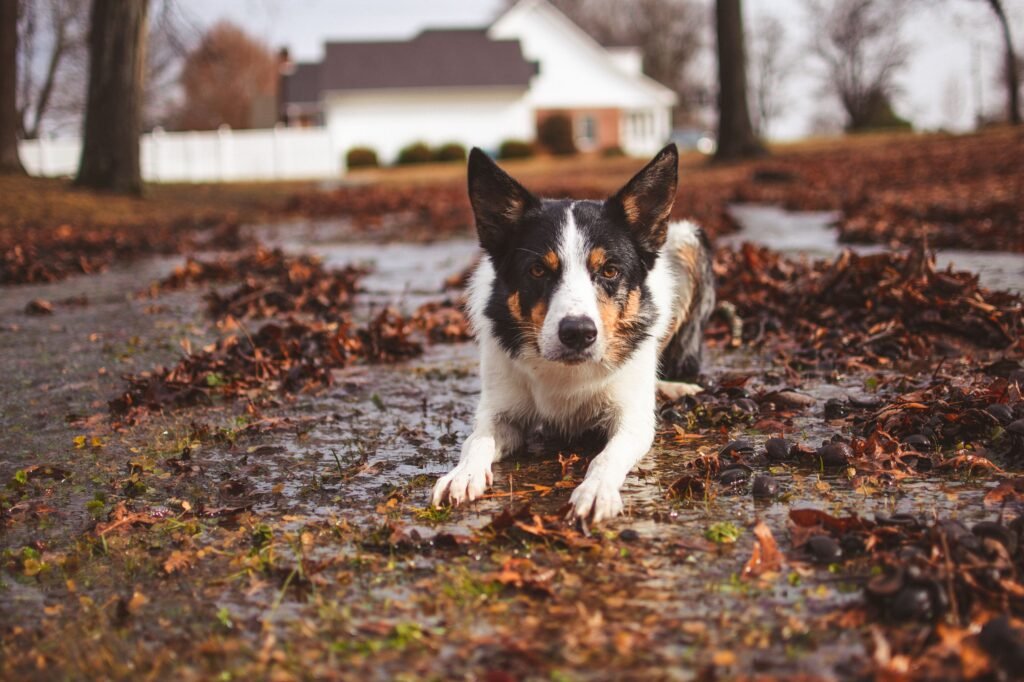
If muddy walks are a regular part of life, having somewhere to clean your dog near the entrance can prevent a surprising amount of dirt from traveling farther into the house. A built-in dog-washing station can be convenient if you have enough room and budget. Useful features include a handheld sprayer, good drainage, a non-slip surface, and towels stored within easy reach.
But you don’t need a miniature dog shower to make this idea work. In a smaller mudroom, designate one section near the door as your paw-cleaning area. Keep an absorbent mat on the floor and store clean dog towels and appropriate paw-cleaning supplies nearby. The aim is to have everything ready before you walk through the house looking for a towel while your dog leaves paw prints behind you.
Product option: A washable absorbent dog mat can help catch water and dirt from muddy paws while giving your dog a designated place to stand during cleanup.
For muddy or dirty paws, the American Kennel Club recommends cleaning between the toes and around the paw pads and drying the paws thoroughly afterward. For particularly messy days, clean the paws first and let your dog stand on a washable mat while you finish drying their legs and coat.
3. Add a Comfortable Dog Bed Nook
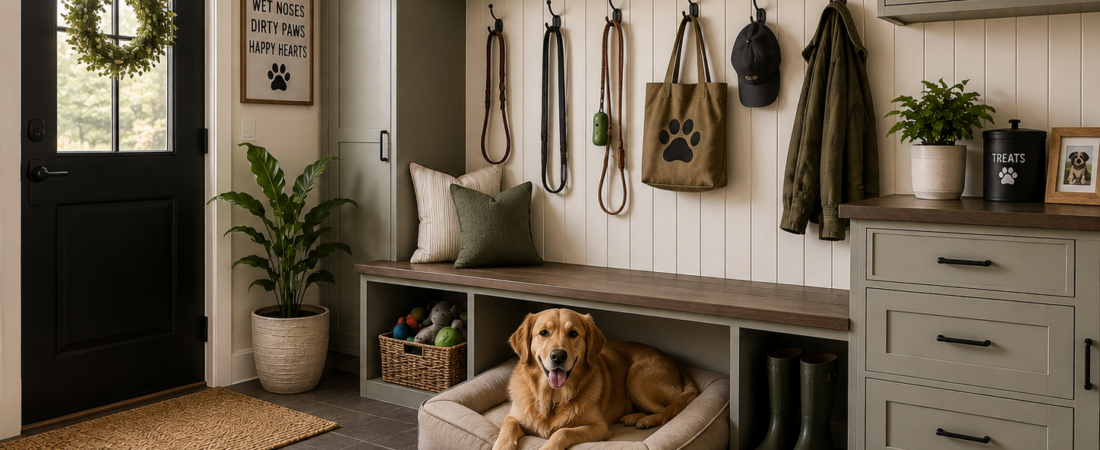
If your mudroom has enough space, it can also provide a comfortable resting spot for your dog. The key is choosing a location that doesn’t interfere with the main purpose of the room. You don’t necessarily need a built-in nook. A washable dog bed beneath an existing bench or beside a storage cabinet can work just as well.
Product option: A washable dog bed with a removable cover is a practical choice for a mudroom because it’s easier to keep clean when dirt and muddy paws make their way inside.
Look at how people move through the room before choosing the location. Avoid placing the bed directly in front of an exterior door or in a narrow walkway where family members will constantly have to step around it. It should also be away from dripping raincoats, wet shoes, and the messiest part of your paw-cleaning area.
Choose bedding with a removable, washable cover if possible. Mudrooms naturally collect more dirt than bedrooms and living rooms, so easy cleaning matters more here than elaborate styling. If your dog’s bed tends to move every time, they get on or off it, our guide on How to Stop a Dog Bed Sliding on Hardwood Floors has several simple ways to improve grip.
4. Keep Leashes and Walking Gear Near the Door
A mudroom is an ideal place to create a simple walking station. Wall-mounted hooks can hold everyday leashes, harnesses, and collars without using valuable floor space. Keep the items you reach for most often at a convenient height, but don’t position dangling gear where it becomes a trip hazard or an irresistible chew toy.
Product option: A sturdy wall-mounted hook rack is a simple way to keep leashes, harnesses, and collars organized near the door without taking up floor space.
If you have more than one dog, separate hooks can make rushed walks easier. You can also use a small basket or drawer nearby for waste bags and other items you routinely take outside. The goal is simple: when it’s time for a walk, you shouldn’t have to search several rooms for the leash. If walking gear is one of the cluttered areas in your home, these Dog Leash Storage Ideas include several practical options for entrances of different sizes.
5. Give Dog Supplies Dedicated Storage
Dog supplies have a habit of spreading throughout the house unless they have somewhere specific to live. Use the mudroom to create a home for everyday items such as towels, grooming tools, walking accessories, toys, and spare waste bags. Depending on the size of the room, that might mean drawers, baskets, cabinets, shelves, or a storage bench. Keep frequently used items where you can reach them quickly. Less frequently used or bulk supplies can go higher up or behind cabinet doors. A storage bench is particularly useful in a small mudroom because one piece of furniture can provide seating and hidden storage at the same time.
Product option: A storage bench with a hidden compartment can provide a convenient place to sit while giving you extra space for dog towels, walking gear, and other everyday supplies.
Don’t feel that every dog item needs to be displayed in a labeled basket. Closed storage often makes a small room feel calmer, especially when you’re dealing with colorful packaging and miscellaneous pet supplies. Anything your dog shouldn’t access independently should be stored securely. This is particularly important for medications and household cleaning products. The ASPCA’s guidance on poisonous household products recommends using cleaning products according to their labels and keeping potentially harmful household products safely away from pets.
6. Use Non-Slip, Washable Mats
A strategically placed mat is one of the easiest upgrades you can make. Put one inside the entrance where your dog naturally steps after coming through the door. It can catch some of the water, mud, and grit that would otherwise spread across the floor while also giving wet paws a surface with more grip. Look for a mat that is washable or easy to clean, has a non-slip backing, and is large enough for your dog to stand on comfortably. Avoid creating raised edges or awkward placement that turns the mat into a trip hazard.
If muddy weather is common where you live, having two washable mats can be surprisingly useful. One can stay in place while the other is being washed and dried. This works particularly well as part of a broader routine. The mat catches the initial mess, towels deal with wet paws, and your easy-clean flooring handles whatever gets through. For more ideas beyond the mudroom, see How to Keep Floors Clean with Dogs.
7. Create a Practical Feeding Station
Not every mudroom needs dog bowls. But if you already store your dog’s food there and the room has a suitable quiet corner, it can be a practical location for feeding. Avoid putting bowls directly in the main path between the exterior door and the rest of the house. Your dog should be able to eat or drink without people continually stepping around the bowls. Place a washable mat underneath to catch stray kibble and water drips, particularly if your dog is a messy drinker.
Keep dry food in an appropriate closed container, and don’t leave large bags open where they can be knocked over or accessed by your dog. Treats and other food should also be stored securely where necessary. If you’re working with limited floor space, our guide to Where to Put Dog Bowls in a Small Kitchen can help you decide whether the mudroom or kitchen makes more sense for your layout. If spilled water is the bigger problem, see How to Keep Your Dog’s Water Bowl Area Dry.
8. Choose Easy-to-Clean Walls
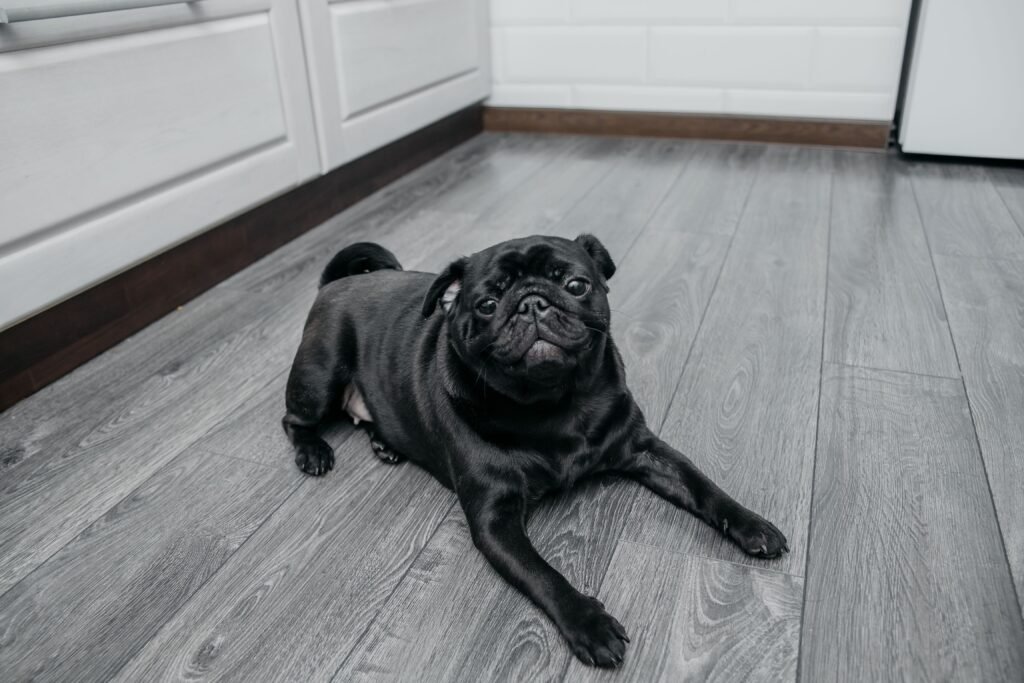
Mud doesn’t stop at floor level. A wet dog can shake water surprisingly far, while muddy tails, paws, and coats can leave marks on the lower sections of walls near the entrance. A durable, washable interior paint can make these areas much easier to maintain. In particularly messy zones, you might consider a suitable wipe-clean wall treatment or tile, especially around a built-in washing station. You don’t have to cover every wall with a special material. Focus on the places that actually get dirty: beside the exterior door, behind the cleanup area, and along narrow passages where your dog brushes against the wall. If you’re constantly wiping paw marks and mud splashes from painted surfaces, our guide on How to Protect Walls from Muddy Dogs goes deeper into practical ways to protect high-contact areas.
9. Plan for Wet Towels and Gear
Storage is useful, but wet storage is a different problem. Putting damp dog towels, raincoats, harnesses, or washable mats straight into a closed basket can leave them sitting wet for much longer than necessary. Instead, give damp items somewhere they can hang or spread out to dry before you put them away. Wall hooks, rails, or another appropriate drying area can help, depending on your room. Ventilation matters too. If the mudroom has a safely secured window, natural airflow can help the space dry after wet walks. Otherwise, avoid packing damp gear tightly into cabinets or baskets. Keep clean towels separate from the ones waiting to be washed. A simple system with one location for fresh towels and another for used ones makes muddy-day cleanup much easier. For small-space storage options, see our Dog Towel Storage Ideas.
10. Make Coming In From Outside Easier
The best dog-friendly mudroom ideas work with the route your dog already takes rather than forcing an awkward routine. Think about what happens from the moment you reach the door. Where does the leash go? Where does your dog stand? Where are the towels? Where do wet shoes and coats end up? Can you reach the paw-cleaning supplies without walking across the room?
Ideally, the sequence should be simple: come inside, stop on the mat, remove walking gear, clean and dry muddy paws, if necessary, hang wet items, and then continue into the house.
If you have direct access to a securely fenced yard, check gates, doors, latches, and fencing regularly. If you don’t have a backyard entrance, the same setup can work beside whichever exterior door you normally use for dog walks. A good mudroom isn’t defined by expensive cabinetry or a built-in dog shower. It’s defined by whether the room makes this everyday transition from outside to inside easier.
Common Dog-Friendly Mudroom Mistakes to Avoid
A mudroom should reduce work, not create another room that’s difficult to maintain. A few common mistakes can make even a beautifully designed space less practical.
- Choosing flooring based only on appearance. Mud, water, scratches, traction, and cleaning matter more in this room than they do in many other areas of the house.
- Creating nowhere for wet items to dry. Damp towels and walking gear shouldn’t go directly into closed storage.
- Blocking the walkway. Beds, bowls, baskets, and storage furniture need to fit without making the room difficult to move through.
- Keeping too much on display. Open shelves can quickly look cluttered when they’re filled with dog supplies.
- Storing unsafe products within reach. Cleaning products, medications, and other potentially harmful household items should be stored securely.
- Building around an imaginary routine. Design the room for what you actually do when you come home with your dog.
Start with the problem that causes the most frustration. If muddy paws are the issue, improve the cleanup zone first. If you’re constantly losing leashes, fix the walking-gear storage. If towels are everywhere, give them a proper place to dry and be stored. You can improve the rest gradually.
Frequently Asked Questions About Dog-Friendly Mudrooms
What should a dog-friendly mudroom include?
Start with the basics: durable flooring, a washable entrance mat, somewhere to store leashes and everyday dog supplies, and a convenient place to clean or dry dirty paws. From there, add features based on how you actually use the room. A dog bed, feeding station, built-in dog wash, storage bench, or drying area can all be useful, but none is essential in every home.
How do I keep a dog-friendly mudroom clean?
Make it easy to deal with dirt immediately. Keep towels and paw-cleaning supplies close to the entrance, use washable mats, sweep or vacuum loose dirt regularly, and choose surfaces that can handle frequent cleaning. Don’t forget the storage system. A room is much easier to clean when baskets, bowls, toys, and walking equipment aren’t covering the floor.
Do I need a large mudroom to make it dog-friendly?
No. A small entrance area can still provide most of the practical benefits. Use wall hooks and vertical storage instead of bulky furniture, place a washable mat beside the door, and keep a small supply of clean towels within reach. Even a narrow entrance can function as a useful dog cleanup zone if everything has a purpose.
What is the best flooring for a dog-friendly mudroom?
There isn’t one flooring type that’s best for every household. Look for a surface that can cope with moisture, dirt, regular cleaning, and your dog’s activity level. Luxury vinyl and tile are common choices because of their durability and ease of cleaning. Suitable water-resistant laminate may also be an option. Consider traction and comfort as well as water resistance and appearance.
How can I reduce dog odors in a mudroom?
Start by dealing with moisture. Dry wet towels, coats, bedding, and mats properly instead of leaving them bundled together or inside closed storage. Wash fabric items regularly, clean dirty surfaces promptly, and provide as much appropriate ventilation as the room allows. If an odor persists despite routine cleaning, identify the source rather than simply trying to cover it with fragrance.
A Better Mudroom Starts with Your Daily Routine
These dog friendly mudroom ideas are really about making the transition from outdoors to indoors easier. Start with the mess you deal with most often. Add a good entrance mat if muddy paws are the problem. Create dedicated hooks if leashes are always disappearing. Give wet towels somewhere to dry. Protect the walls and flooring that take the most abuse.
Once those basics are working, you can decide whether bigger additions such as a dog-washing station, storage bench, feeding area, or bed nook would genuinely improve the room. You don’t need to transform the entire space at once. A few thoughtful changes can turn an ordinary mudroom into a practical buffer between outdoor adventures and the rest of your home, making muddy and rainy days considerably easier to manage.