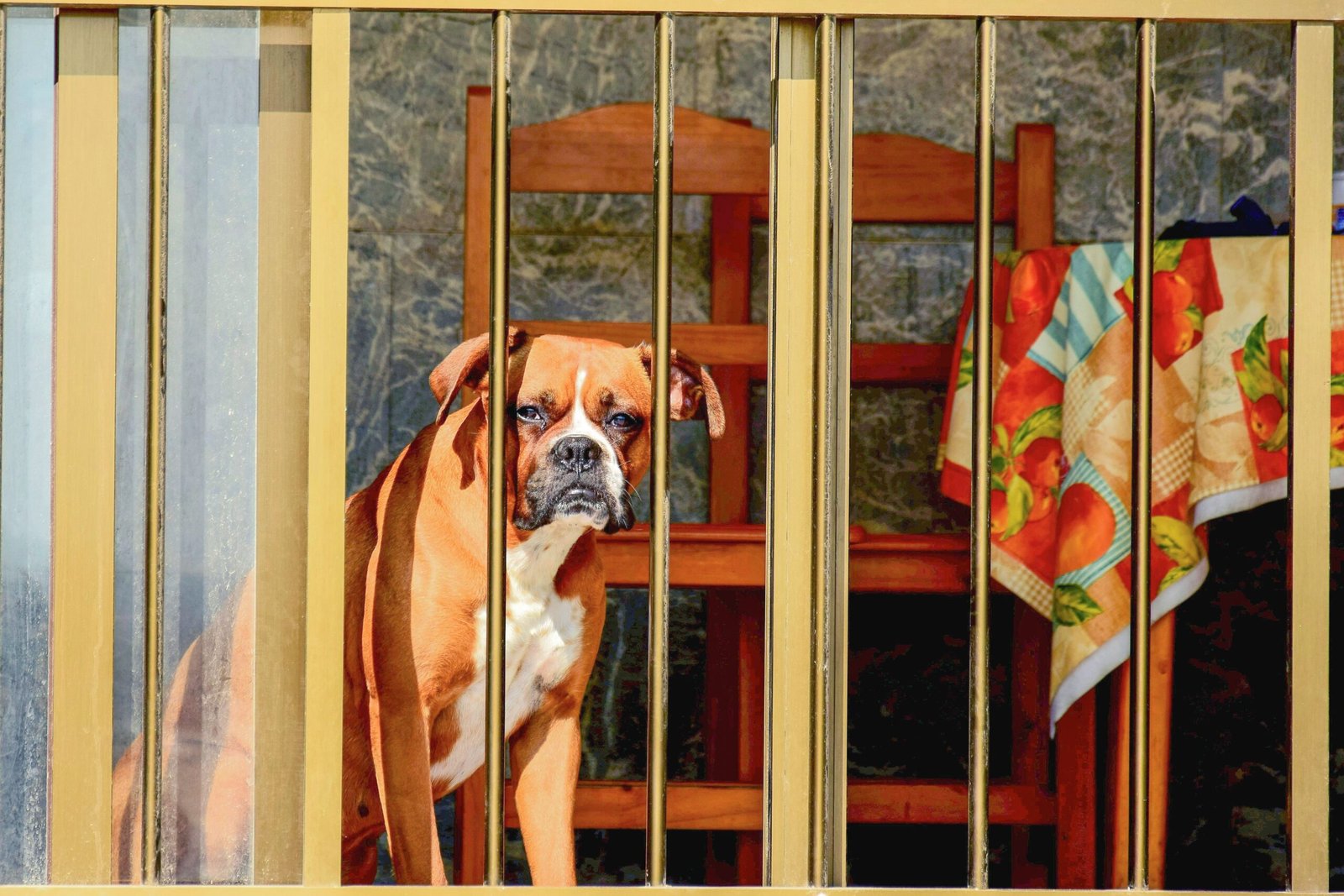
Good dog blanket storage ideas should make everyday bedding easy to reach without leaving blankets piled across couches, chairs and dog beds. The simplest approach is to organize them by how they’re actually used: keep one or two everyday blankets nearby, clean spares in protected storage, and seasonal or travel blankets somewhere less prominent.
Dog blankets also need a slightly different system from ordinary throws because they collect hair, dirt and muddy paw marks and may need washing more often. Clean blankets should have a defined home, while anything damp or waiting for laundry should stay out of closed storage.
These nine practical options work particularly well in apartments and smaller homes where another large storage unit isn’t the answer.
Quick Answer: What Is the Best Way to Store Dog Blankets?
Keep the blankets you use most often close to the places where your dog actually needs them. An everyday couch blanket might live in a small basket beside the sofa, while spare bedding can go into a drawer or linen cupboard. Crate blankets make sense near the crate, and car or travel blankets can stay with your travel supplies.
Before buying storage, sort what you already own. Separate everyday blankets, clean spares, crate bedding, travel blankets and seasonal bedding. Remove badly worn blankets you no longer use instead of creating permanent storage for them.
1. Keep Everyday Dog Blankets in a Basket
A basket is one of the easiest options for a blanket used regularly on the couch or dog bed. Place it close enough that putting the blanket away is almost as easy as leaving it on the furniture.
Choose the basket according to the number of blankets you actually use rather than the size of the empty corner beside the couch. One or two folded blankets may be plenty. If your dog sheds heavily, a smooth-sided or washable basket can be easier to maintain than a rough material that traps hair.
Keep the basket for clean, dry blankets. A damp blanket from a wet walk or bath belongs in the laundry routine, not underneath the clean one you plan to use tonight.
If you mainly use blankets to protect upholstered furniture from shedding, our guide on how to keep dog hair off the couch covers the wider cleanup problem.
Best for: Everyday couch and dog-bed blankets.
2. Use a Storage Ottoman for Hidden Blankets
A storage ottoman works well in a small living room because the same piece of furniture can provide hidden storage and serve another purpose. Clean dog blankets stay near the couch without becoming another visible pile, while the top can still function as a footrest or seat depending on the design.
Only put clean, completely dry blankets inside enclosed furniture. A damp blanket trapped in a closed ottoman has little airflow and is easy to forget.
Before buying an ottoman specifically for dog bedding, check whether a bench, sideboard or other existing piece of furniture already has unused storage. In a small home, reusing storage is usually better than adding furniture just to hide two blankets.
Best for: Small living rooms where visible baskets would add clutter.
3. Give Clean Spares Part of the Linen Cupboard
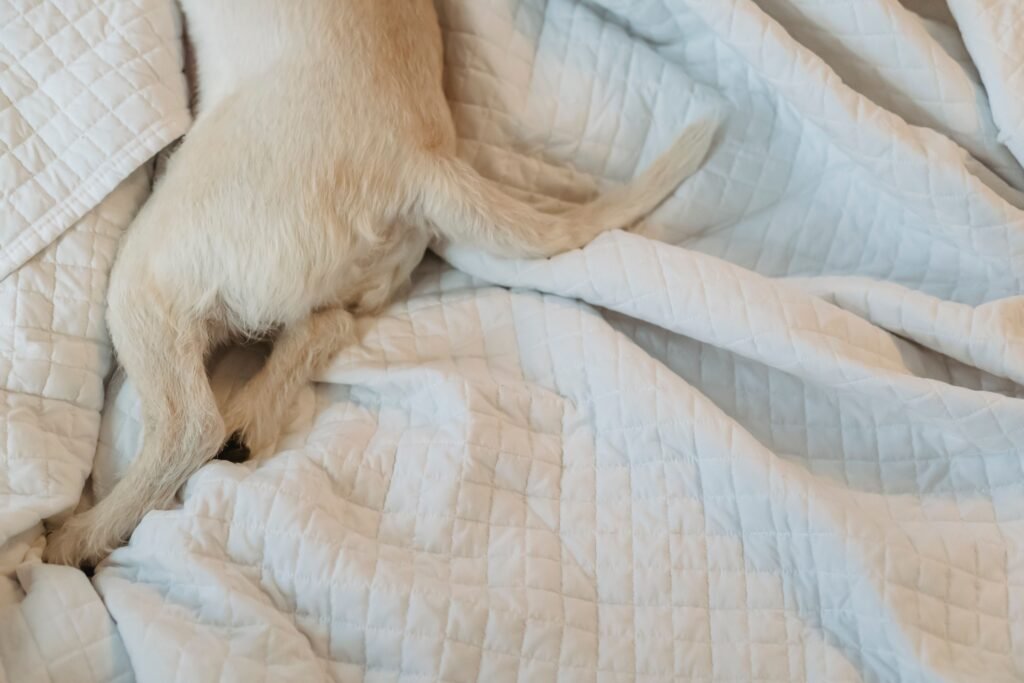
Clean spare blankets don’t need to occupy valuable living-room storage. Give them one section of the linen cupboard instead. Fold them together on a shelf or keep them inside a small basket so dog bedding doesn’t gradually spread between sheets, towels and other household linen.
Reserve this space for spares rather than the blanket used every day. The everyday one is more useful near your dog, while the cupboard is ideal for clean replacements waiting their turn.
Best for: Clean backup blankets that are used regularly but don’t need to stay in the main room.
4. Use Under-Bed Storage for Occasional Blankets
The unused space underneath a bed can be useful for dog blankets that aren’t needed every day, especially in an apartment with limited closet space. A low covered container keeps them together while using an area that would otherwise sit empty.
This works better for clean spares and occasional bedding than for the blanket you reach for every evening. Choose a container that slides out easily and fits without scraping awkwardly across the floor.
Blankets should be clean and completely dry before going into longer-term covered storage. Check the care instructions for the material before compressing thick or filled bedding.
Best for: Apartments and bedrooms with unused space beneath the bed.
5. Keep Crate Blankets Near the Crate
If your dog regularly uses a blanket in the crate, keeping one clean replacement nearby makes bedding changes much easier. You don’t need a dedicated crate-storage unit. A drawer, cabinet shelf or small basket within the same room may be enough.
The storage location should follow the crate. A bedroom crate might have spare bedding in a dresser drawer, while one in a living room could use an existing cabinet. Keeping the replacement nearby saves you from searching through the linen cupboard whenever the current blanket needs washing.
If you’re still working out where the crate itself fits, our guide on where to put a dog crate in a small house covers practical locations that don’t overwhelm a smaller room.
Best for: Dogs that use blankets regularly as crate bedding.
6. Keep Car and Travel Blankets Separate
A blanket used for car rides, beach trips or weekends away doesn’t need to take up everyday household storage. Keep it with the supplies used for those trips, provided the location is dry and suitable.
This also helps keep road dirt, sand and outdoor debris away from clean indoor bedding. When the travel blanket needs washing, clean it according to its care instructions before returning it to storage.
If you only travel occasionally, the blanket can share secondary storage with other less-frequently used dog supplies rather than having its own container.
Best for: Car blankets, beach blankets and travel bedding.
7. Use a Drawer or Low Cabinet for Folded Blankets
A spare drawer or low cabinet creates neat hidden storage without adding another basket to the room. Look at furniture you already own first. One dresser drawer, part of a sideboard or a shelf inside a cabinet may hold several folded blankets comfortably.
Don’t pack the space so tightly that removing one blanket pulls the entire stack with it. If the drawer no longer closes easily, sort the collection before looking for a second storage location.
This works especially well for smaller fleece or lightweight blankets that fold into a compact stack.
Best for: Minimalist rooms where you prefer dog bedding out of sight.
8. Move Seasonal Blankets Out of Prime Storage
Heavy winter bedding can consume a surprising amount of cupboard space during months when your dog doesn’t need it. Once the weather changes, move seasonal blankets out of your easiest-to-reach storage and use that space for things that remain part of the weekly routine.
Wash the blanket according to its care instructions and make sure it is thoroughly dry before putting it away. The American Kennel Club’s guidance on dog blankets also recommends allowing blankets to dry thoroughly and notes that damp bedding can encourage mold and mildew.
A covered container in a dry closet or other suitable secondary storage area can keep seasonal bedding protected until it’s needed again. If you’re considering vacuum storage, check the blanket’s care instructions first because prolonged compression may not suit every filling.
Best for: Bulky winter bedding that isn’t needed year-round.
9. Give All Dog Blankets a Defined Zone
One of the most effective dog blanket storage ideas isn’t another container. It’s deciding which storage areas belong to dog bedding and keeping the collection within those limits.
Your system might be one basket beside the couch for everyday use, one linen-cupboard shelf for clean spares and one secondary container for seasonal or travel blankets. They don’t need to sit in the same room; they simply need clear purposes.
This makes it easier to put freshly washed bedding away and easier to notice when the collection has grown beyond what you actually use. If every basket and shelf is overflowing, reducing the number of blankets may solve the problem better than buying a larger organizer.
Best for: Homes where dog bedding has gradually spread through several rooms.
Keep Clean Blankets Separate From Laundry

A clean couch blanket and one covered in hair, dirt or damp paw marks shouldn’t return to the same basket. Give used bedding a separate laundry location until it is ready to be cleaned.
The CDC’s current guidance on cleaning pet supplies includes pet beds and blankets among items that should be cleaned regularly and recommends following the item’s cleaning instructions.
If a blanket is damp, don’t bundle it into an enclosed ottoman, drawer or storage bin. Deal with the moisture first, then return the blanket to clean storage once it has been washed or is otherwise ready to use again.
Common Dog Blanket Storage Mistakes
Most problems come from overcomplicating the system rather than having too little storage. Avoid:
- Putting damp bedding into closed storage. Keep it out until it is properly dealt with.
- Mixing used blankets with clean spares. Give laundry its own destination.
- Using your best storage for seasonal bedding. Move bulky blankets elsewhere when they’re not needed.
- Buying another basket before sorting. Some old or unused blankets may not need storage at all.
- Creating too many blanket locations. A few clearly defined zones are easier to maintain.
Frequently Asked Questions
Where should I keep my dog’s blankets?
Keep frequently used blankets near the couch, dog bed or crate where they’re normally needed. Clean spares can go into a cupboard or drawer, while seasonal and travel blankets can use less convenient secondary storage.
Can dog blankets be stored in a basket?
Yes. A basket works particularly well for clean, dry blankets that are used regularly. Choose one that’s easy to keep free of dog hair and large enough that the blankets fit without being forced inside.
How do I store dog blankets in a small apartment?
Use existing storage first. A spare drawer, one linen-cupboard shelf, an under-bed container or a storage ottoman can hold clean spares, while a small basket keeps the everyday blanket accessible.
How should I store dog blankets long term?
Clean the blanket according to its care instructions, make sure it is completely dry, and store it in a suitable covered container in a dry location. Check the care label before compressing thick or filled blankets for long periods.
Final Thoughts
Keep Dog Blanket Storage Simple
The best dog blanket storage ideas don’t require an entire cupboard devoted to pet bedding. Keep the blanket you use every day close at hand, give clean spares a protected place, move seasonal and travel bedding out of prime storage, and keep anything waiting for laundry separate.
A basket, one drawer, part of a cupboard and some secondary storage may be all you need. Once every blanket has an obvious place to return to, the house stays tidier without adding another collection of storage furniture.