Learning how to keep floors clean with dogs can feel like a never-ending job. Muddy paws, loose fur, water spills, food crumbs, and dirt tracked in from outside can turn a freshly cleaned floor into a mess surprisingly quickly. The solution, however, isn’t necessarily more vacuuming and mopping. The biggest difference usually comes from stopping dirt and moisture where they enter the home, controlling loose fur before it reaches the floor, and concentrating your cleaning on the areas your dog uses most.
A few practical habits can dramatically reduce how much mess travels from room to room without restricting where your dog can relax or turning floor care into a daily project. These 10 strategies focus on prevention first, followed by simple cleaning routines that are realistic enough to maintain.
Affiliate Disclosure: This post contains affiliate links. If you make a purchase through these links, I may earn a commission at no extra cost to you. As an Amazon Associate, I earn from qualifying purchases.
Why Do Floors Get Dirty So Quickly With Dogs?
Dogs bring several different types of mess into a home. Dirt and moisture cling to paws after walks, loose fur settles along baseboards and underneath furniture, and rainy weather can leave a trail of wet paw prints before you’ve even taken your coat off. Food crumbs, splashed water, dust carried on a dog’s coat, and the occasional accident can add to the problem.
Trying to tackle all of this after it has spread throughout the house creates far more work than dealing with each source individually. A better approach is to create a few places where mess is intercepted before it travels farther. That might mean cleaning paws at the entrance, brushing loose coat before it reaches the floor, containing water around the feeding area, and vacuuming the rooms your dog actually uses instead of treating every room the same.
If the entrance is where most of the trouble begins, these dog-friendly entryway ideas can help you organize the space around your dog’s everyday routine.
1. Stop Dirt at the Door
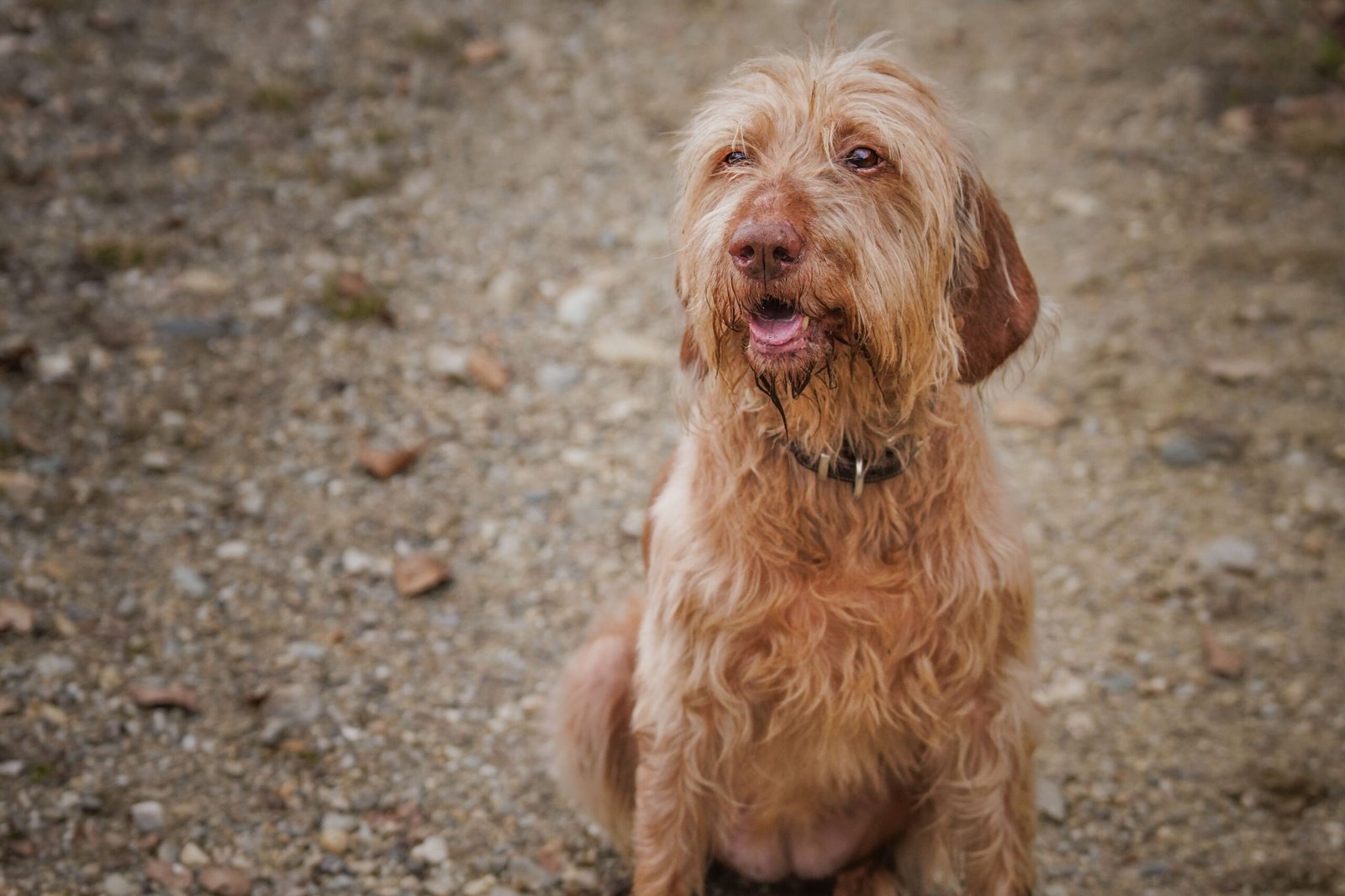
One of the easiest ways to keep floors clean with dogs is to stop outdoor dirt before it travels beyond the entrance. Place a durable mat outside the door to remove some loose dirt before your dog comes in, then use an absorbent, washable mat immediately inside to catch moisture. If muddy walks are common where you live, keep a dedicated dog towel close enough to grab before your dog walks farther into the house.
Product option: A highly absorbent dog door mat can help catch moisture and dirt from muddy paws before it gets tracked across the floor.
This doesn’t require a large or elaborate setup. A basket or hook for towels, a place for walking gear, and an easy-to-wash mat may be enough. What matters is having everything where the mess actually happens. If you have to walk across the room to find a towel while your dog is standing at the door with wet paws, the system is unlikely to work consistently.
For homes with a separate utility entrance, our dog-friendly mudroom ideas show how to turn that space into a practical cleanup zone for muddy paws, towels, leashes, and outdoor gear.
2. Wipe Your Dog’s Paws After Walks
A quick paw-cleaning routine can prevent an impressive amount of dirt from reaching the rest of the house. After wet or muddy walks, wipe each paw rather than only drying the surface. Dirt, grit, and other debris can collect around the pads and between the toes, so those areas deserve attention as well.
If muddy paws are a regular problem, our guide to keeping your entryway clean with a muddy dog shows how to create a simple cleanup zone by the door.
For lightly damp paws, a clean absorbent towel may be all that’s needed. After particularly muddy walks, more thorough cleaning may be necessary before drying the paws completely. The American Kennel Club’s guidance on cleaning and caring for dog paws also recommends checking between the toes and around the pads for dirt and debris and drying the paws thoroughly afterward.
The routine becomes much easier when it’s predictable. Encourage your dog to pause at the entrance after walks while you remove the leash and check their paws. Over time, that brief stop can become part of coming home rather than something you have to improvise every time it rains.
3. Brush Your Dog Regularly to Control Loose Fur
Outdoor dirt isn’t the only reason floors become messy. Lose fur can collect remarkably quickly, particularly around a dog’s favorite sleeping spots and during heavier shedding periods. Regular brushing removes some of that lose coat before it ends up drifting across hard floors, gathering along edges, or becoming embedded in rugs.
Product option: A deshedding brush can help remove loose undercoat before it ends up scattered across your floors and furniture.
How often brushing is needed depends on your dog’s coat rather than a universal schedule. If possible, groom outdoors or in an area that’s easy to sweep or vacuum afterward. Pay attention to the places where fur accumulates fastest as well. If one corner of the living room consistently collects tumbleweeds of dog hair, a quick targeted clean there will often accomplish more than repeatedly vacuuming rooms your dog rarely enters.
Brushing won’t eliminate shedding but combined with regular cleaning of bedding and favorite resting areas, it can substantially reduce the amount of loose hair circulating through the home.
4. Vacuum High-Traffic Areas More Often
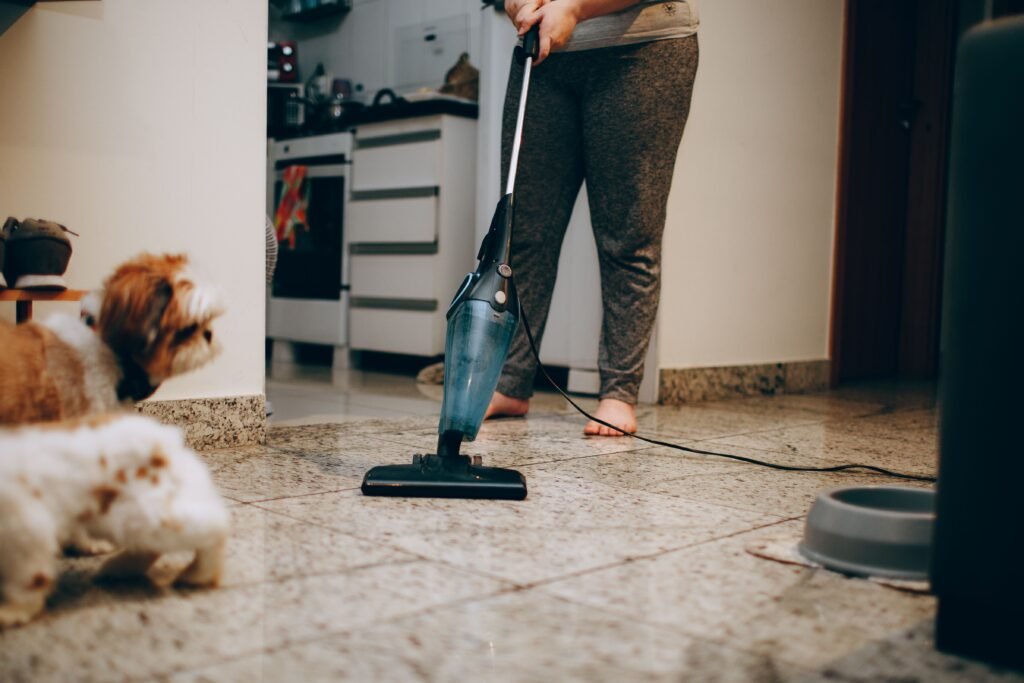
Not every room needs to be cleaned at the same frequency. Entryways, hallways, feeding areas, the space around a dog bed, and the routes between the door and your dog’s favorite rooms generally collect dirt and fur much faster than low-traffic spaces. Concentrating on these areas makes floor cleaning more efficient and helps stop debris from being carried farther through the house.
Product option: A pet-hair vacuum can make regular cleaning easier in the areas where loose fur and tracked-in dirt build up fastest.
When vacuuming, check edges, corners, underneath furniture, and around the dog bed rather than focusing only on the obvious open floor. Loose fur tends to migrate toward these less visible areas. Rugs in the same high-traffic zones should be vacuumed too, otherwise they can hold hair and dirt that is gradually transferred back onto the surrounding floor.
This targeted approach is particularly useful when you don’t have time for a full-house clean. Five or ten minutes spent on the areas your dog uses every day can make a much more noticeable difference than cleaning an entire spare room that rarely sees a paw print.
5. Wash Dog Bedding Regularly
Dog beds and blankets collect fur, dust, dirt, and small pieces of outdoor debris, all of which can eventually find their way back onto the floor. Keeping the sleeping area clean therefore helps more than the bed itself. Shake loose debris from washable bedding outdoors when practical, wash it according to its care instructions, and vacuum the floor around and underneath the bed.
A removable washable cover makes this job much easier, particularly with larger beds that aren’t practical to put into a washing machine. It’s also worth moving the bed occasionally to check underneath it. Fur can build up unnoticed there even when the surrounding floor looks reasonably clean.
Rather than treating dog bedding as a separate chore, include it in the normal household laundry and floor-cleaning routine. That keeps the area under control without creating another complicated schedule to remember.
6. Clean Food and Water Areas Quickly
The feeding area can create a completely different type of floor mess. Water splashes beyond the bowl, crumbs become scattered around the edges, and enthusiastic drinkers can leave enough water behind to keep the surrounding floor damp.
A washable mat or tray that extends beyond the bowls can contain much of this mess and make cleanup easier. The important thing is to clean underneath it too. A mat may make the surface look tidy while moisture and small pieces of food remain trapped underneath.
Wipe standing water when you notice it rather than leaving it until your next scheduled floor clean, particularly if the flooring manufacturer advises against prolonged moisture exposure. Keeping a small cloth nearby can make this a 30-second job rather than something that requires getting out the mop every time your dog drinks.
7. Use Washable Rugs in the Right Places
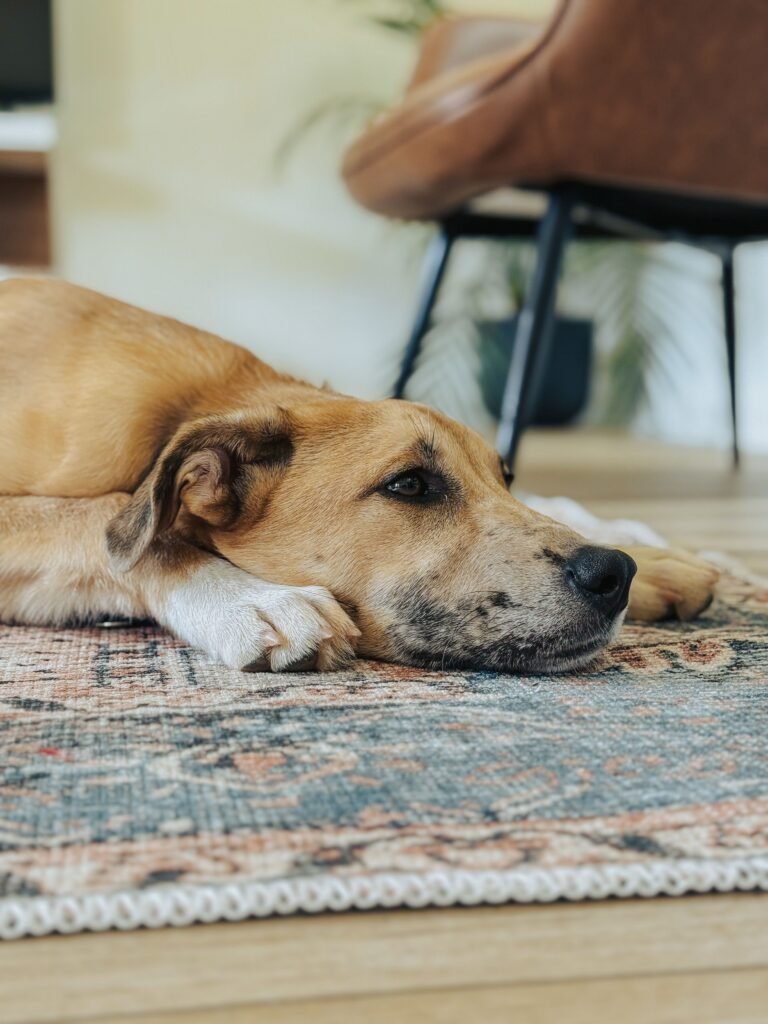
Washable rugs can act as useful collection points for dirt, moisture, and loose fur, but placement matters more than quantity. Entrances, the route in from the yard, and areas around favorite resting spots are generally more useful locations than covering large sections of the house simply because you own a dog.
Choose rugs that can be vacuumed easily and washed without an elaborate cleaning process. On smooth flooring, make sure the rug is stable and doesn’t slide when your dog walks or runs across it. A suitable non-slip backing or rug pad may help, provided it is compatible with the flooring underneath.
The aim isn’t to hide the floor. A small number of strategically positioned, washable rugs can protect the areas that receive the most dirt while still being easy enough to clean regularly.
8. Choose Flooring That Works With Dogs
If you’re already planning a renovation or replacing worn flooring, everyday maintenance is worth considering alongside appearance. Dogs introduce moisture, grit, claws, loose fur, and occasional spills, so a surface that looks beautiful in a showroom may require more maintenance than expected once it’s part of a dog-friendly home.
Look at the complete picture rather than choosing solely on how easy a floor is to mop. Durability, moisture resistance, traction, scratch visibility, cleaning requirements, and your dog’s needs all matter. A smooth surface may make loose fur easier to remove, for example, but an extremely slippery finish may create a different problem for a dog that struggles to maintain traction.
If replacing your flooring isn’t practical, don’t assume you’re stuck with constant cleaning. Mats at entrances, washable rugs in high-traffic areas, prompt cleanup of water, and regular removal of grit can make existing flooring considerably easier to manage. If you are comparing materials see our guide to best flooring for dogs.
9. Deal With Mud and Moisture Right Away
Wet weather is when a good floor-cleaning routine is tested. A dog can bring enough water and mud inside after one rainy walk to undo a freshly cleaned entrance within minutes, so prevention needs to become slightly more intensive when the weather changes.
Keep absorbent towels at the door during rainy periods and dry wet paws before your dog moves into other rooms. If muddy prints do make it beyond the mat, deal with them while the mess is still localized instead of allowing everyone to walk through it and spread it farther. The same principle applies to water around bowls and other small spills.
There’s no reason your routine has to remain identical throughout the year. During a dry week, the entrance may require almost no additional attention. During several consecutive rainy days, a quick check after each walk can prevent a much larger cleaning job later.
10. Follow a Simple Cleaning Routine
The most practical way to keep floors clean with dogs is to combine prevention with short, regular cleaning rather than waiting for fur, dirt, and moisture to build up. Start with the areas that become messy fastest: check the entrance after walks, wipe spills when they happen, remove visible fur from high-traffic areas, and clean around the feeding station as needed. Then fit less frequent tasks such as washing rugs and dog bedding into your normal household routine.
Your schedule should reflect your home. A heavy-shedding dog, a backyard that becomes muddy after rain, or light-colored flooring that shows every paw print will naturally require a different routine from a low-shedding dog living mostly on easy-care floors. The objective isn’t to keep the house spotless every minute. It’s to prevent small, manageable messes from turning into whole-house cleaning jobs.
Be sensible about the products used on floors your dog regularly walks across as well. Follow the manufacturer’s label directions, keep cleaning products securely stored, and don’t allow your dog access to products or cleaning solutions that are in use. The ASPCA’s guidance on household cleaning products and pet safety notes that most cleaning products can be used around dogs and cats when label directions are followed, while also emphasizing appropriate storage and precautions.
Frequently Asked Questions About Keeping Floors Clean With Dogs
How often should you clean floors when you have a dog?
There isn’t one schedule that works for every household. The right frequency depends on your dog’s coat, shedding level, time spent outdoors, local weather, flooring, and which rooms your dog uses most. High-traffic areas may benefit from quick, frequent attention while less-used rooms can be cleaned on your normal household schedule. Let the actual buildup of fur and dirt determine the frequency rather than cleaning every room equally.
How do you stop muddy dog paws from making floors dirty?
The most effective approach is to intercept mud at the entrance. Use an outdoor mat for loose dirt, an absorbent washable mat inside, and keep a towel nearby so paws can be cleaned and dried before your dog walks through the house. During particularly muddy weather, a more thorough paw clean may be needed. Keeping walking supplies organized nearby also makes the routine easier, and these dog leash storage ideas can help keep the entrance from becoming cluttered.
What type of flooring is easiest to keep clean with dogs?
There’s no single flooring material that’s best for every dog-friendly home. Easy cleaning is important, but durability, moisture resistance, traction, scratch visibility, and maintenance requirements should all be considered. Your dog’s size, age, activity level, and your household budget matter too. If replacing the floor isn’t an option, strategic mats and washable rugs can make high-traffic areas easier to maintain.
How can you reduce dog hair on floors?
Regular brushing helps remove loose coat before it reaches the floor, while targeted vacuuming prevents hair from accumulating in the places your dog uses most. Don’t overlook beds, blankets, rugs, corners, and underneath furniture because these can hold large amounts of fur. The most efficient routine combines grooming with cleaning the dog’s main resting areas rather than relying on vacuuming alone.
Is it possible to keep floors clean without mopping every day?
Yes. In many homes, prevention is more useful than daily full-floor mopping. Cleaning paws at the entrance, using washable mats where mess occurs, wiping water spills promptly, brushing loose fur, and vacuuming high-traffic areas can reduce the amount of dirt that reaches the rest of the floor. Wet cleaning can then be done when the flooring actually needs it and according to the manufacturer’s care instructions.
Final Thoughts
Learning how to keep floors clean with dogs is less about constantly cleaning and more about controlling where everyday mess begins. If you stop dirt and moisture at the entrance, keep loose fur under control, contain food and water mess, and concentrate your cleaning on the areas your dog actually uses, maintaining the floors becomes much less demanding.
The best routine is also one you’re willing to keep doing. You don’t need a perfectly spotless home or a complicated cleaning schedule. A towel by the door, a few well-placed washable mats, regular grooming, quick attention to spills, and targeted vacuuming can do far more than repeatedly cleaning the entire house. Build those small habits around your dog’s real routine, and cleaner floors become much easier to maintain.