If you’re wondering how to protect hardwood floors from a dog water bowl, the first thing to know is that the bowl itself is only part of the problem. Water can splash over the rim, drip from your dog’s mouth, run beyond the edge of a feeding mat, or sit unnoticed underneath it. On hardwood, those small spills matter more when they happen in the same place every day.
The best setup doesn’t need to be complicated. It needs to catch water where it lands, contain larger spills, and make it easy to check the hardwood underneath. For some dogs, a large waterproof mat is enough. A heavy splasher may need a raised-edge tray, while a dog that walks away with a wet muzzle may need protection beyond the bowl area.
Before buying anything new, watch your dog drink. Once you know where the water actually goes, protecting the floor becomes much easier.
Why Dog Water Bowls Can Be a Problem for Hardwood Floors
An obvious puddle is easy to spot. The bigger concern is often moisture that stays hidden. Water can work its way beneath a mat, collect near board seams, or soak into an absorbent rug that remains damp against the floor long after your dog has finished drinking.
The National Wood Flooring Association advises wiping spills promptly and avoiding excessive moisture when caring for wood floors. Its wood floor care guidance is a useful reminder that protecting hardwood isn’t just about dealing with dramatic spills. Repeated moisture in the same small area is worth preventing too.
This is why a good dog-water setup should do more than hide the floor underneath the bowls. You should be able to lift the protection easily, see whether moisture has escaped, and dry the area before putting everything back.
Find Your Dog’s Real Splash Zone First
One of the easiest mistakes is choosing a feeding mat according to the size of the bowls. Instead, choose your floor protection according to the size of the mess.
Watch your dog drink several times and pay attention to where the water lands. Does it splash directly beside the bowl, collect behind it, or follow your dog across the floor when they walk away? Check whether the bowl moves during drinking and whether moisture appears underneath the current mat. A few minutes of observation can tell you more than the dimensions printed on a feeding-mat package.
Two dogs using identical bowls can create completely different problems. A dog that splashes heavily but stays in one place may need a wide waterproof barrier. A dog that drinks neatly and then walks toward the living room dripping from its mouth needs protection along that route instead. Start with the water pattern, then build the setup around it.
1. Use a Waterproof Mat Larger Than the Splash Zone
For most homes, a waterproof mat is the simplest first layer between a dog water bowl and hardwood flooring. Size matters, though. A mat that extends only an inch or two beyond the bowl may look neat while leaving most of the real splash zone exposed.
Choose a mat that extends beyond the places where water normally lands, with extra coverage on the side your dog uses when approaching and leaving the bowl. A non-slip underside is useful on smooth floors because a mat that shifts during drinking can allow water to reach areas you thought were protected.
Waterproof materials such as silicone are practical because ordinary splashes remain on the surface instead of soaking straight through. That makes spills easier to see and wipe up. However, waterproof does not mean maintenance-free. Water can still run beyond an edge or find its way underneath, so the mat should remain easy to lift and inspect.
If dog hair, muddy paws, and everyday dirt are also part of the problem, our guide on how to keep floors clean with dogs covers the wider cleaning routine.
2. Use a Raised-Edge Tray for Bigger Spills
A flat waterproof mat works well for droplets and ordinary splashing, but it has limits. If your dog paws at the water, pushes a substantial amount over the rim, or occasionally tips the bowl, a shallow waterproof tray or mat with a raised outer edge can provide better containment.
The raised edge matters because it helps keep a larger spill from immediately spreading across the hardwood. Choose a tray wide enough for the bowl without forcing your dog into an awkward drinking position, and make sure the base stays stable when your dog approaches it.
Containment still requires cleanup. If a tray catches half a bowl of water and your dog steps into the puddle five minutes later, that water can end up on the surrounding floor anyway. Empty larger spills when you notice them and let the tray dry rather than allowing water to sit inside it.
3. Stop Water From Getting Under the Mat
This is where an apparently good setup can fail. The top of a waterproof mat may look completely dry while moisture is sitting between the mat and the hardwood.
Water can reach the underside in several ways. A splash may land just beyond the edge and run underneath, the mat may shift while your dog drinks, or a small spill may happen while you’re refilling the bowl. Moisture can also be trapped when a freshly washed mat is returned to the floor before both surfaces are fully dry.
When deciding how to protect hardwood floors from a dog water bowl, make inspection part of the setup from the beginning. Choose floor protection you can lift without moving furniture or dismantling the entire feeding station. If you repeatedly find moisture underneath, don’t simply dry it and put everything back in the same position. Work out where the water is entering and correct that part of the setup.
You may need a wider mat, a raised edge, a more stable bowl, or extra protection in the direction your dog normally leaves after drinking. Fixing the path of the water is more useful than continually cleaning the same hidden puddle.
4. Create an Absorbent Walk-Off Area for a Dripping Dog
Not every wet floor is caused by splashing. Some dogs drink quite neatly, then lift their head and carry water away around their lips, beard, or jowls. In that situation, making the mat directly underneath the bowl larger may accomplish very little.
Watch which direction your dog normally takes after drinking. A washable absorbent mat or short runner along the first part of that route can catch droplets that fall beyond the waterproof bowl area. Placement matters more than making the setup perfectly symmetrical. If your dog always turns right after drinking, that’s where the extra protection belongs.
Be careful with absorbent materials on hardwood. Their purpose is to hold moisture, so they shouldn’t remain wet against the floor for long periods. Choose something easy to wash and dry, and check underneath it regularly.
5. Use a Stable or Splash-Resistant Water Bowl
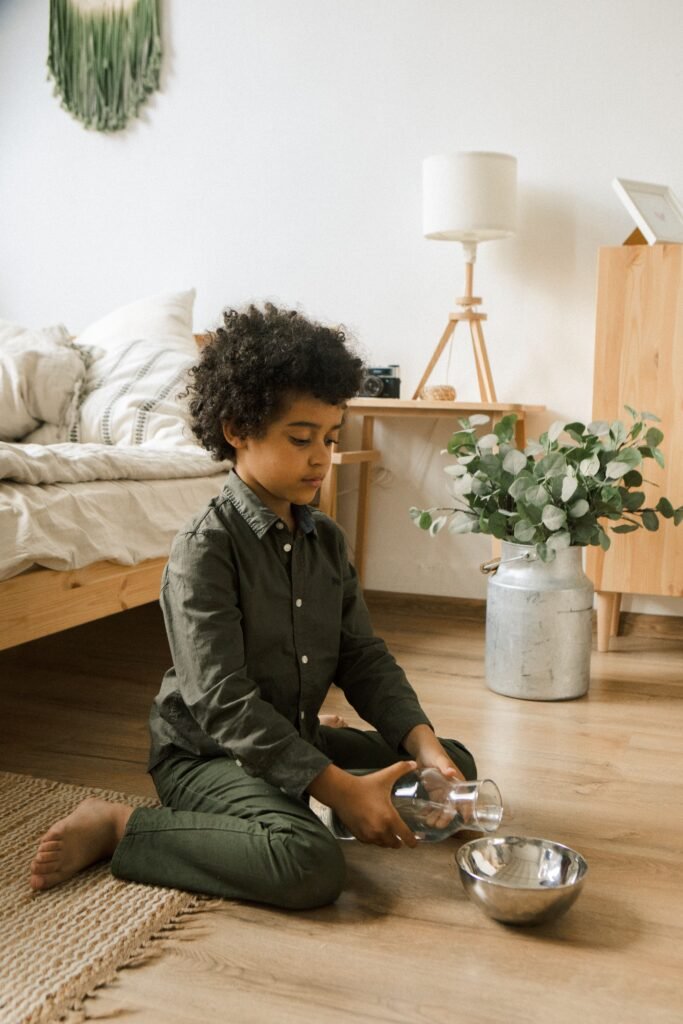
Sometimes the easiest way to protect the floor is to reduce the amount of water escaping in the first place. If your dog’s bowl slides several inches during every drink, the splash zone moves with it. A wider, heavier bowl or one with a non-slip base can keep the water station more predictable.
If sliding is the main problem, our guide on how to stop dog bowls sliding around the floor covers practical ways to stabilize bowls on smooth surfaces.
A splash-resistant bowl may be useful for a dog that pushes water over the rim while drinking. Depending on the design, these bowls may use a restricted opening, inward-facing edge, or floating insert to reduce how much exposed water can be displaced at once.
Match the bowl to the behavior rather than assuming a specialty design will solve every problem. A splash-resistant bowl may help a vigorous drinker but do little for a dog that walks away dripping. Likewise, a heavy bowl may stop tipping without reducing the amount of water carried away on your dog’s face.
6. Move the Water Station to a Safer Location
Before adding more accessories, look at where the bowl is sitting. If you have a nearby tiled kitchen section, laundry area, mudroom, or another water-resistant surface, moving the drinking station may reduce the amount of hardwood exposed to daily spills.
The new location still needs to work for your dog. Water should remain convenient to reach, and the station should be visible enough that you notice when the bowl needs cleaning or refilling. Avoid squeezing it into a busy walkway where people are likely to kick the bowl or where your dog has to turn sharply on a slippery surface.
In a small home, there may not be a perfect dedicated dog area. Look for the best balance between accessibility, floor protection, and easy cleanup. If you’re comparing surfaces elsewhere in the house, our guide to the best flooring for dogs that is easy to clean looks at practical options for dog-friendly homes.
7. Wipe Up Spills Before They Sit
No mat, tray, or bowl will catch every drop. A little water outside the protected area isn’t unusual, but repeated puddles shouldn’t be allowed to sit on hardwood simply because the feeding station is expected to get wet.
The National Wood Flooring Association recommends cleaning spills immediately with a dry or slightly damp cloth and cautions against excessive moisture when cleaning wood floors. Keeping a small towel or absorbent cloth near the water station makes that advice much easier to follow in everyday life.
Bona also notes that standing water can saturate wood flooring and that staining or discoloration can be a sign of water damage. You don’t need to treat every droplet as an emergency, but water that repeatedly sits in the same area deserves attention.
Pay particular attention to board edges, seams, and the perimeter of the feeding mat. These are easy places to overlook when the obvious puddle has already been wiped away.
8. Lift and Inspect the Setup Regularly
The final habit costs nothing and may be the most useful one: periodically remove the bowls and lift everything sitting between them and the hardwood.
During a quick inspection, check:
- the underside of the waterproof mat or tray
- the hardwood around the outer edges
- nearby board seams
- the area where your dog normally steps after drinking
- underneath any absorbent runner or walk-off mat
If everything is dry, the setup is doing its job. If you keep finding moisture in the same place, treat that as useful evidence. It tells you exactly where the current protection needs to change.
This is also a convenient time to wash the bowls and clean the mat or tray according to its care instructions. Let the floor and protective materials dry before putting the station back together.
Waterproof or Absorbent: Which Is Better on Hardwood?
Neither is automatically better. They perform different jobs, and many messy drinkers benefit from using both in the right places.
| Floor protection | What it does well | Watch for | Best location |
|---|---|---|---|
| Waterproof feeding mat | Blocks ordinary splashes from reaching the floor directly | Water running beyond or underneath the edges | Directly under and around bowls |
| Raised-edge tray | Contains larger spills | Standing water collecting inside | Heavy splash or tipping zone |
| Absorbent mat | Catches droplets carried away from the bowl | Remaining damp against hardwood | Walk-off path |
| Waterproof-backed absorbent mat | Combines absorption with a moisture barrier | Moisture underneath if left unchecked | Repeated drip areas |
For a heavy splasher that also walks away dripping, a practical combination is waterproof containment around the bowl with washable absorbency along the first part of the walk-off path. The materials don’t need to match visually. They need to solve the two different ways water reaches the floor.
Keep the Setup as Simple as Your Dog Allows
It’s easy to overbuild a feeding station after finding a few drops on the floor. Start with the least complicated setup that matches your dog’s drinking habits, then add another layer only if you can see that it’s needed.
| Drinking habit | Simple setup to try |
|---|---|
| Light splasher | Stable bowl with a generously sized waterproof mat |
| Heavy splasher | Splash-resistant bowl with raised-edge containment |
| Bowl tipper | Wide, stable bowl with a waterproof tray |
| Dog walks away dripping | Waterproof bowl area with a washable walk-off mat |
| Multiple dogs | Larger protected area based on the combined splash zone |
Give a new arrangement a few days before deciding whether it works. Check the visible floor and the hardwood underneath the protection. If both stay dry, there is no reason to keep adding products.
Signs Your Current Setup Isn’t Protecting the Hardwood
A feeding station can look neat and still be doing a poor job underneath. Pay attention to changes around the floor rather than judging the setup only by what you can see from standing height.
Take a closer look if you notice:
- water repeatedly appearing underneath the mat
- splashes regularly reaching beyond the protected area
- an absorbent mat staying damp for long periods
- new staining or discoloration near the water station
- visible changes around board edges or seams
- a persistent musty smell around or underneath the setup
Those signs don’t diagnose a flooring problem, but they do tell you that the area needs attention. If moisture keeps escaping, fix the source rather than covering a larger area and hoping the problem disappears underneath it.
What If the Hardwood Is Already Water-Damaged?
If you can already see staining, cupping, lifting, buckling, or another persistent change in the hardwood, the issue has moved beyond ordinary spill prevention. Stop the repeated water exposure first and allow the area to dry.
Avoid assuming that sanding, refinishing, or applying a household product is automatically the right repair. The appropriate treatment depends on the flooring, finish, installation, and extent of the damage. If the change remains after the area has dried, consider contacting the flooring manufacturer, installer, or a qualified wood-floor professional.
This is one reason regular checks are worthwhile. Finding a damp patch underneath a mat is much easier to deal with than discovering that moisture has been sitting there unnoticed.
Don’t Protect the Floor by Restricting Water
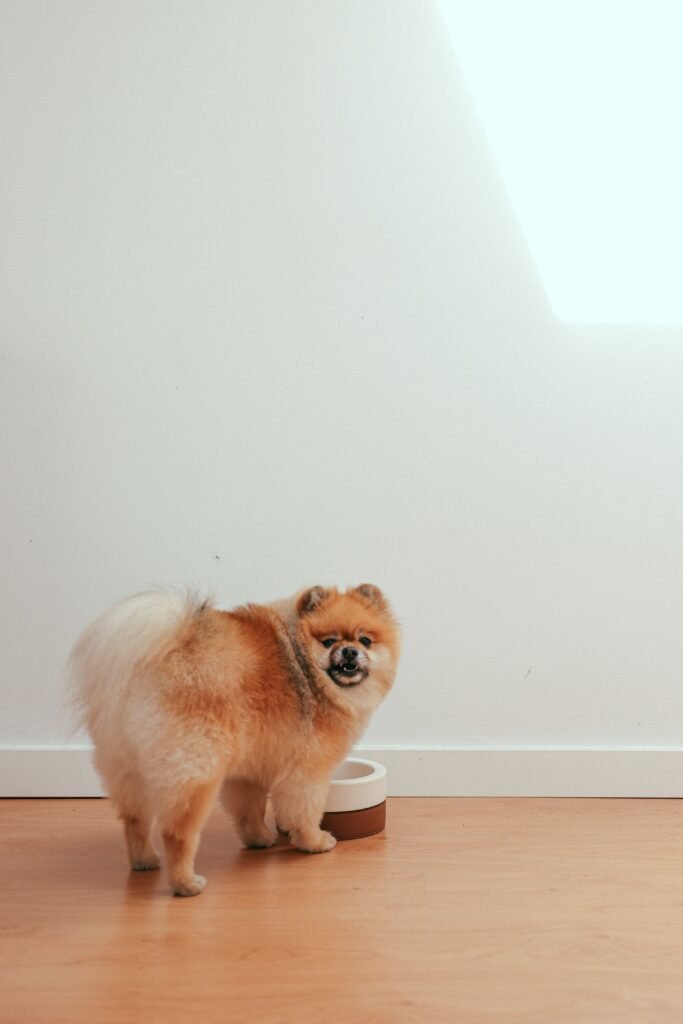
A wet floor is frustrating, but reducing your dog’s access to water isn’t the solution. Protect the hardwood by changing the environment around the bowl: improve containment, adjust the location, manage dripping, and clean spills when they occur.
If your dog suddenly begins drinking substantially more water than usual, treat that as a separate issue from ordinary messy drinking. VCA notes that increased thirst and urination can have a number of possible causes, so a significant unexplained change is something to discuss with your veterinarian rather than trying to solve it by putting less water in the bowl.
Frequently Asked Questions
What should I put under a dog water bowl on hardwood floors?
A large waterproof, non-slip mat is a practical starting point. If your dog creates bigger puddles, a waterproof tray or mat with raised edges can provide better containment. Check underneath regularly because water can still travel beyond the edges or become trapped below the mat.
Will a silicone mat protect hardwood floors from a dog water bowl?
A properly sized silicone mat creates a waterproof barrier against ordinary splashes, but it isn’t foolproof. Water can run beyond the edges or work its way underneath, so the mat should be lifted periodically and the hardwood checked for moisture.
Should I put an absorbent mat under my dog’s water bowl?
An absorbent mat catches drips well, but you don’t want it remaining wet against hardwood. For many messy drinkers, waterproof protection works better immediately around the bowl, with washable absorbency placed along the route where the dog walks away dripping.
How big should a dog feeding mat be?
Choose the size according to your dog’s splash zone rather than the dimensions of the bowls. The mat should extend beyond the places where water normally lands, with additional protection in the direction your dog usually steps after drinking.
How do I stop water from getting underneath a dog feeding mat?
Start by finding where the water is entering. You may need a larger mat, better containment around the edges, or a more stable bowl. Wipe up spills that reach the perimeter and lift the mat regularly so hidden moisture doesn’t remain against the hardwood.
Can dog water damage hardwood floors?
Repeated or prolonged moisture exposure can damage wood flooring, particularly when water is allowed to remain unnoticed. Prompt cleanup and regular checks underneath mats or trays are simple ways to reduce that risk around a dog’s drinking station.
Final thoughts
Protect the Floor Where the Water Actually Goes
The most useful part of learning how to protect hardwood floors from a dog water bowl is realizing that the setup should be designed around your dog’s mess, not simply around the bowl. Watch where the splash lands, notice where your dog walks afterward, and check whether moisture is finding its way underneath the protection.
For a light splasher, a stable bowl and large waterproof mat may be all you need. A dog that creates real puddles may benefit from raised-edge containment, while a dog that walks away with a wet muzzle may need an absorbent area beyond the drinking station.
Whatever you use, keep it easy to inspect. A mat can catch the visible spill, but lifting it regularly is what tells you whether the hardwood underneath is actually staying dry. That’s the part of the routine that turns a tidy-looking water station into one that genuinely protects the floor.