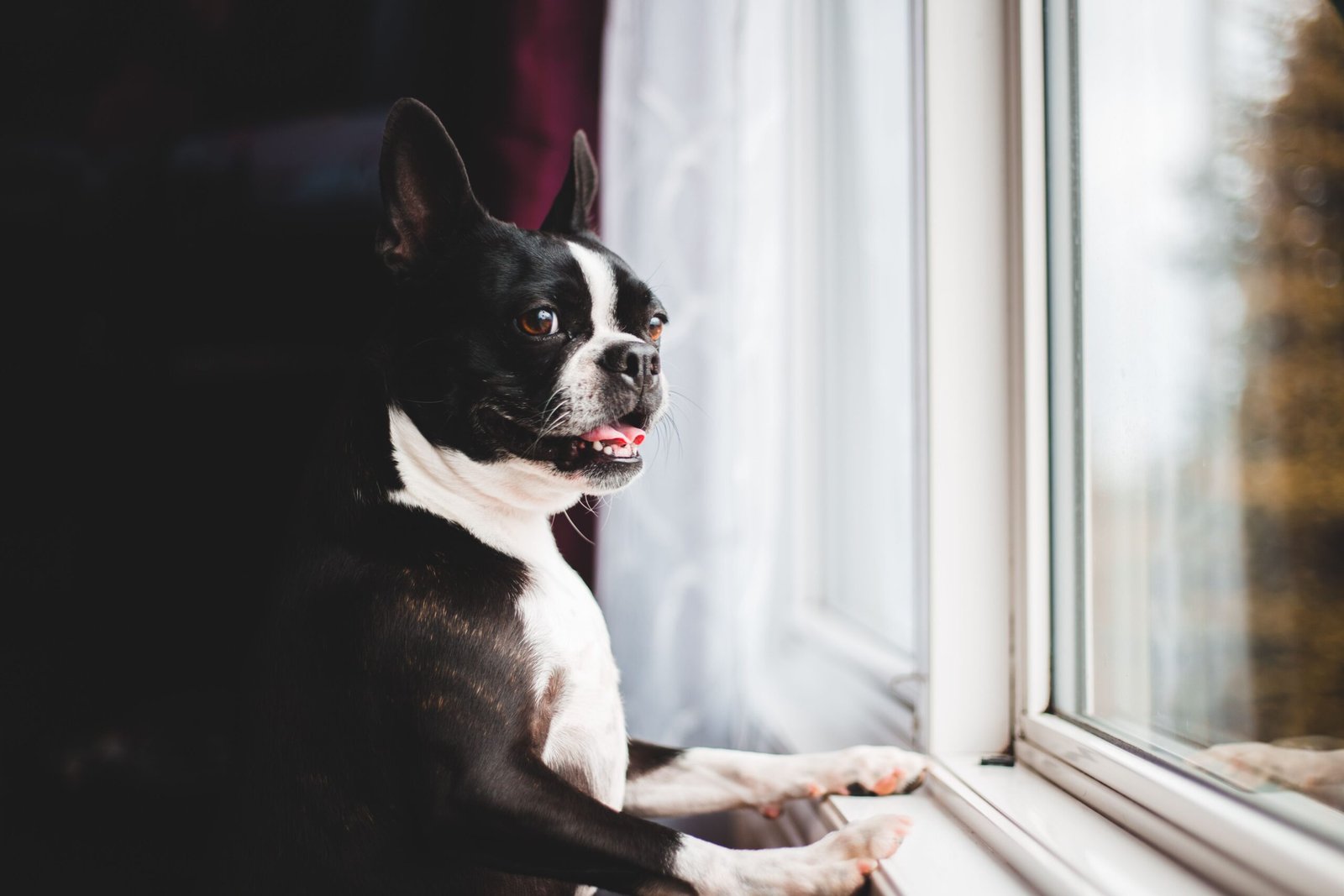
If your dog loves watching the world through a window, the sill can quickly show the evidence. Repeated paws and claws can scratch paint, mark wood, damage the front edge, and turn an otherwise tidy window into a regular maintenance job.
Learning how to protect a window sill from dog scratches starts with figuring out how the damage is happening. A dog that calmly rests its paws on the sill needs a different solution from one that jumps and scratches whenever another dog, delivery driver, or squirrel passes outside.
The most effective fix is usually a combination of protecting the vulnerable surface and changing the setup that keeps putting claws against it. These seven practical options cover everything from occasional scuffs to repeated scratching, including renter-friendly choices for homes where permanent modifications aren’t practical.
Disclosure: As an Amazon Associate I earn from qualifying purchases.
Quick Answer: How to Protect a Window Sill From Dog Scratches
For light paw contact, a compatible removable film or surface cover may be enough. If your dog regularly jumps up or scratches with force, a rigid sill protector provides a stronger physical barrier. When the damage happens because your dog struggles to reach the view or reacts intensely to activity outside, changing furniture placement, creating a safer viewing spot, or managing the visual trigger can help address the cause as well as the scratches.
Before buying anything, look closely at where the marks appear. Scratches across the flat top of the sill, damage concentrated along the front edge, and marks caused by jumping can point to different solutions.
Why Dogs Scratch Window Sills
Most window-sill scratches happen because a dog is trying to see what’s going on outside. Some dogs simply rest their front paws on the sill for a better view. Others jump up suddenly when people, animals, or vehicles pass the house. A nearby sofa, chair, or bench can also give a dog easy access to a sill that would otherwise be out of reach.
Watch your dog at the window before choosing a fix. Occasional paw contact, repeated clawing, and chewing are different problems. A thin protective layer might handle mild scuffing but won’t necessarily stand up to a dog repeatedly launching its weight against the edge of the sill.
Chewing also needs to be treated separately. A product that resists claw marks isn’t automatically suitable for a dog that bites or pulls at the material.
Check the Damage Before Choosing Protection
Start by inspecting the sill itself. Light surface marks or scuffs may justify a simple removable solution. If your dog is also marking painted surfaces around doors and entryways, our guide to protecting walls from muddy dogs covers ways to protect other vulnerable surfaces around the home.
Also check exactly where your dog’s paws land. If most of the damage is along the front edge, a protector that only covers the flat top may leave the most vulnerable area exposed. If the scratches are concentrated in one small section, you may not need to cover the entire sill.
1. Install a Clear Window Sill Protector
For repeated claw contact, a rigid sill protector is one of the most direct solutions because it puts a physical barrier between your dog’s paws and the original surface. Sill Shield window sill protectors, for example, are specifically designed to protect sills from pet-related damage.
Product option: A clear window sill protector can provide a replaceable barrier between your dog’s paws and the original sill surface.
A clear protector can be useful when you want to keep the original paint or wood visible rather than covering the window area with an obvious guard. Some designs also wrap over the front edge, which is worth considering if that’s where your dog catches its claws when jumping up.
Measure the width and depth of the sill before ordering anything, and don’t forget its profile. A protector designed for a flat, square sill may not fit decorative or unusually shaped trim.
Check the mounting method too. Adhesives and removable fasteners can behave differently on paint, stained wood, laminate, and other finishes. Follow the product’s installation instructions rather than improvising with stronger tape or fasteners that could damage the surface you’re trying to preserve.
2. Use Removable Protection for Light Scuffing
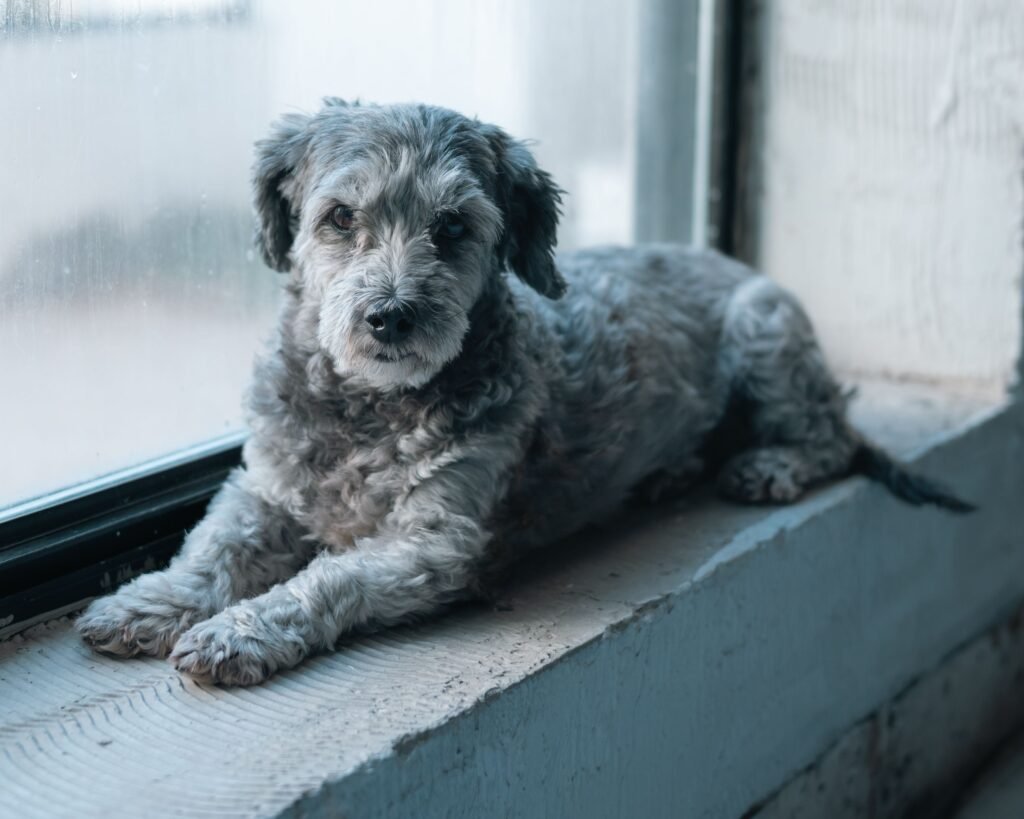
If your dog only rests its paws on the sill occasionally, a suitable removable protective film may be enough to take the everyday scuffs instead of the finish underneath.
Product option: A clear removable protective film can provide a replaceable layer for light paw contact while keeping the original surface visible.
This is a lighter-duty solution, so it makes more sense for surface contact than persistent clawing. If the film tears, lifts, or quickly becomes damaged, that’s a sign the sill probably needs more substantial protection.
Check compatibility before applying adhesive film to a painted or finished surface. “Removable” doesn’t automatically mean it will release cleanly from every type or condition of paint. Older, poorly bonded, or recently painted surfaces may be particularly vulnerable.
3. Add a Secure, Replaceable Surface Over the Sill
Another approach is to place a replaceable protective surface over the area where your dog’s paws land. The idea is simple: let a removable cover take the wear instead of repeatedly repairing the original sill.
The important word is secure. Don’t balance a loose board, sheet of plastic, or improvised covering on the sill if your dog can slide it, knock it down, chew it, or catch a paw underneath it. Any protective surface should be suitable for the location, stable under normal use, and free from sharp edges or exposed fasteners.
This can be particularly useful when the sill has an unusual shape that doesn’t work well with a standard pre-made guard, but the finished setup still needs to be safer than the scratches you’re trying to prevent.
4. Change How Your Dog Reaches the Window
Sometimes the best way to protect the sill is to look at the furniture around it. A sofa, chair, bench, or side table may be giving your dog an easy launch point and encouraging its paws to land directly on a narrow painted edge.
Moving that furniture slightly can reduce access without changing the window itself. This works especially well when the scratching started after a piece of furniture was placed beneath or beside the window.
Don’t simply make the route more awkward, though. If moving a chair causes your dog to jump from farther away or scramble against the wall instead, the new arrangement may create a different problem. The goal is a safer layout with less repeated contact against the sill.
5. Create a Safer Viewing Spot
If your dog calmly enjoys watching outside, consider whether it can get the same view without balancing its front paws on the sill. If the bed sits on a smooth wood surface, our guide to stopping a dog bed from sliding on hardwood floors covers simple ways to keep it more stable.
The setup needs to suit your dog’s size and mobility as well as the height of the window. Don’t create an unstable climbing arrangement simply to protect the paintwork.
There is also an important distinction between calm window watching and reactive window behavior. If your dog becomes highly excited whenever something moves outside, creating an even better lookout may increase the problem. In that situation, reducing the trigger can make more sense than improving the view.
6. Keep Your Dog’s Nails Maintained
Regular nail care won’t make a vulnerable window sill scratch-proof, but it can reduce the severity of ordinary paw marks. Long or rough nails are more likely to catch a painted or wooden surface when a dog shifts its weight or scrambles for balance.
The American Kennel Club’s dog nail trimming guide explains routine nail care and safe trimming. If you’re not comfortable trimming your dog’s nails yourself, a veterinarian or professional groomer can help.
Nail maintenance should support the other fixes rather than replace them. A dog that repeatedly jumps or claws at a window can still damage an unprotected finish even with well-maintained nails.
7. Reduce Repeated Scratching Triggered by the View
If the scratching happens whenever pedestrians, delivery drivers, neighboring dogs, wildlife, or vehicles appear outside, the sill may only be part of the problem. A tougher protector can save the paint, but your dog may continue jumping and scratching whenever the same trigger appears.
Depending on the window and your dog’s behavior, changing access to the window or limiting the most stimulating part of the view may help. Rewarding calm behavior away from the window can also be more useful than repeatedly reacting after the scratching has already started.
The ASPCA’s guidance on barking discusses dogs reacting territorially to people or animals they can see outside and includes limiting the view through windows among its management approaches.
If your dog’s window behavior is intense, difficult to interrupt, or associated with significant fear, anxiety, or aggression, speak with your veterinarian or an appropriately qualified behavior professional rather than treating it solely as a home-maintenance problem.
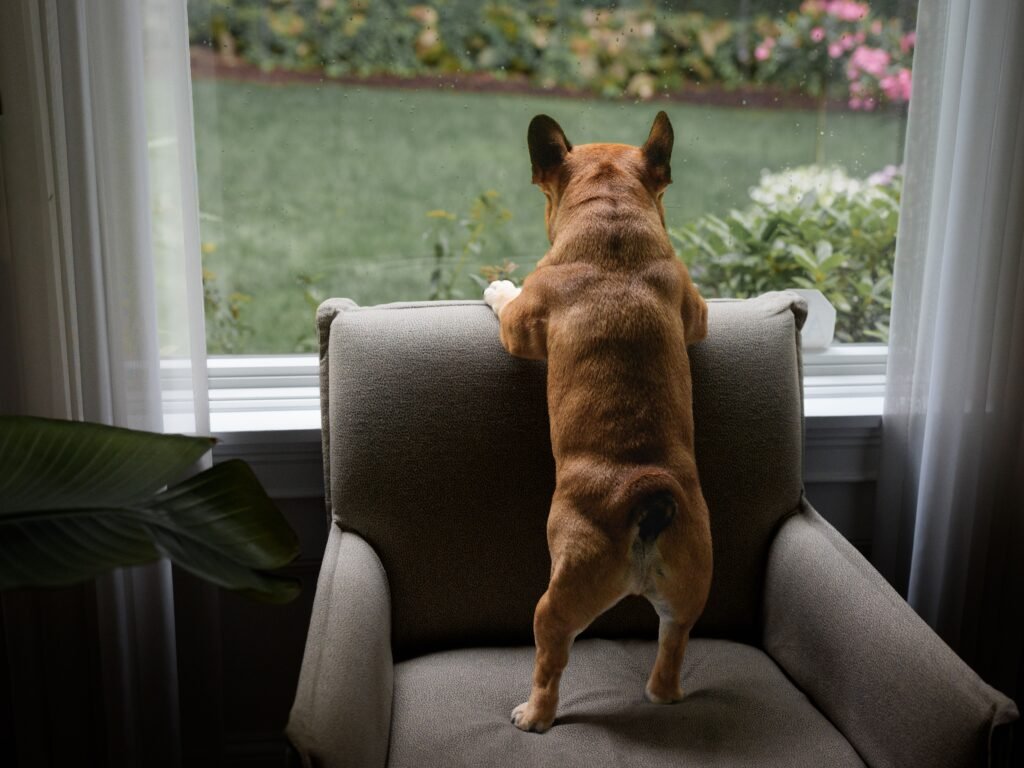
Match the Protection to the Way Your Dog Uses the Window
You don’t necessarily need the strongest or most expensive solution. Match the protection to the contact that’s actually causing the damage.
| What is happening? | Practical option to consider |
|---|---|
| Occasional light paw marks | Compatible removable surface protection |
| Minor claw scuffs | Protective film suitable for the finish |
| Repeated scratching | Rigid sill protector |
| Damage along the front edge | Protector that also covers the edge |
| Dog jumps from nearby furniture | Change furniture placement or access |
| Calm dog wants a better view | Create a safer viewing position |
| Scratching starts when something passes outside | Protect the sill and manage the visual trigger |
| Rental property | Surface-compatible removable protection or a layout change |
Sometimes two fixes are appropriate. A rigid protector can prevent additional damage while a change in furniture placement or window access reduces how often your dog’s paws reach the sill in the first place.
What If the Window Sill Is Already Scratched?
If the sill is already damaged, decide whether it should be repaired before adding protection. Covering scratches may prevent new ones, but repairing the visible damage first can give you a cleaner finished result.
The repair method depends on the sill material and finish. Painted wood, stained wood, laminate, vinyl, and stone shouldn’t automatically be treated the same way. Check the window manufacturer’s care information or get appropriate repair advice if you’re unsure what the sill is made from.
Most importantly, don’t repair the surface and return it to exactly the same conditions. If your dog’s paws caused the original scratches, protect the repaired area or change the window setup before the same contact starts again.
Renter-Friendly Ways to Protect a Window Sill
Renters should start with changes that don’t permanently alter the sill. Moving nearby furniture or changing the dog’s viewing position requires no attachment to the window at all.
If you use removable film or a sill protector, check whether the attachment method is compatible with the existing finish. Removable adhesive can still lift weak or aging paint, so don’t assume every temporary product will come away without a mark. Avoid drilling or permanent adhesive without the appropriate permission.
What to Avoid When Protecting a Window Sill
A quick DIY fix isn’t worthwhile if it creates another problem. Avoid loose boards, sharp plastic edges, exposed fasteners, unstable covers, or materials your dog can easily pull down or chew. Don’t attach random materials with aggressive adhesive without checking how it will affect the sill’s finish.
Be cautious about relying on deterrents alone as well. They don’t physically protect an already vulnerable surface and may do little to address repeated jumping or excitement at the window. The safest solution protects the home without creating a new hazard for the dog.
Frequently Asked Questions
What is the easiest way to protect a window sill from dog scratches?
For repeated claw contact, a properly fitted rigid sill protector is one of the simplest physical solutions because it creates a barrier between the dog’s paws and the original surface. For occasional light contact, compatible removable protection may be enough.
How do I protect a wooden window sill from dog claws?
If claw contact is frequent, use a durable protector over the area where your dog’s paws land rather than relying on the wood finish alone. If the wood is already scratched, repair it appropriately for its particular finish before protecting it from additional damage.
Will trimming my dog’s nails stop window sill scratches?
Regular nail care may reduce everyday marks, but it won’t necessarily prevent damage caused by repeated jumping or forceful scratching. It works best alongside surface protection or changes to your dog’s window access.
What if my dog keeps scratching after I cover the sill?
Look at what happens immediately before the scratching starts. If your dog reacts to people, other dogs, wildlife, or vehicles outside, the protector may save the sill without changing the behavior. Managing the view or getting appropriate behavioral guidance may also be necessary.
Protect the Window Sill Without Taking Away the View
Once you understand how to protect a window sill from dog scratches, you don’t necessarily have to stop your dog from enjoying the window. The better approach is to match the solution to the way your dog actually uses it.
Light paw contact may only need removable protection, while repeated scratching calls for a stronger physical barrier. If the damage comes from awkward access or excitement about what’s happening outside, changing the window setup can help address the reason those claws keep reaching the sill.
Protect the area where the damage is actually occurring, choose materials that suit the existing finish, and keep the setup safe and secure. That gives your dog a home it can comfortably live in without turning every favorite lookout spot into another repair project.