If you’re wondering how to keep dog hair off your couch, cushions and upholstery, the most effective approach is to stop loose fur from building up in the first place. Regular brushing, a washable throw or couch cover, and quick maintenance can reduce the amount of hair that becomes trapped in seams and fabric.
For light surface hair, a lint roller may be enough. For fur that clings to upholstery, a slightly damp rubber glove or fabric-safe pet-hair brush can loosen it before vacuuming. The best method depends on the fabric, how heavily your dog sheds, and whether they always sleep in the same part of the couch.
Below are ten practical ways to reduce dog hair on the sofa, followed by the best removal methods for different upholstery types and the mistakes that make fur harder to manage.
Why Does Dog Hair Stick to Couches?
Dog hair doesn’t always sit loosely on the surface. Upholstery texture, friction and static can make individual hairs cling to fibers or work their way into seams and woven fabric.
Smooth, tightly constructed upholstery generally releases loose fur more easily than deep, textured or loosely woven material. Fine short hairs can be particularly stubborn because they work into the weave, while longer fur is more likely to collect in visible clumps around cushions and armrests.
This is why vacuuming alone doesn’t always solve the problem. A more effective routine usually has three parts: reduce loose fur at the source, protect the areas your dog uses most, then loosen stubborn hair before vacuuming it away.
1. Brush Your Dog Regularly
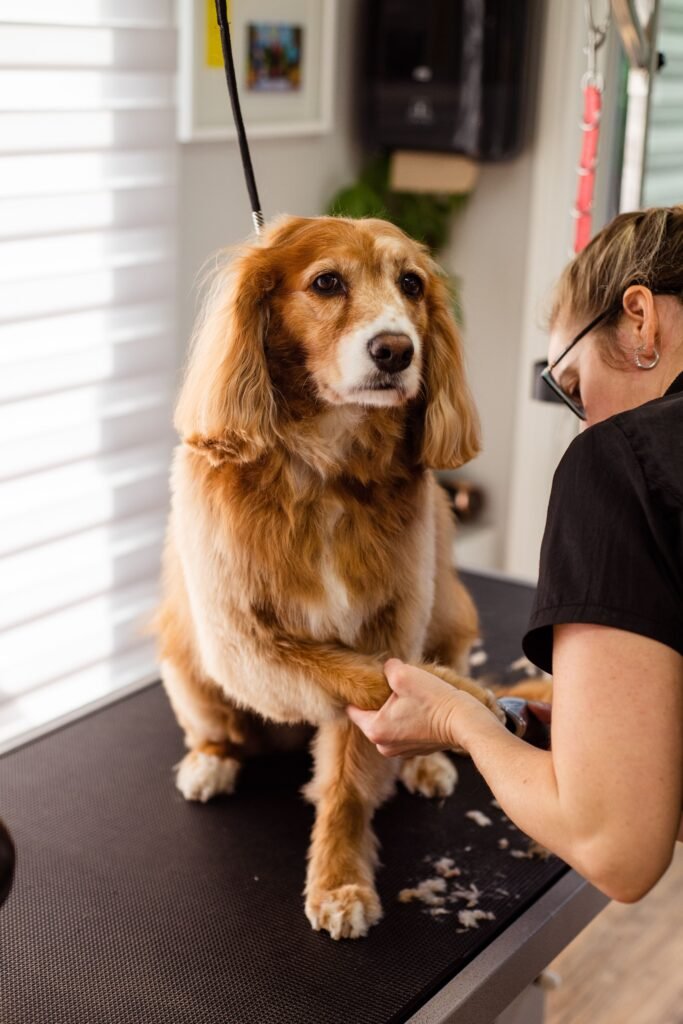
The easiest fur to remove from a couch is the fur that never reaches it.
Regular brushing removes loose coat in a controlled place rather than allowing it to fall onto furniture throughout the day. AKC notes that shedding varies by breed and coat type and that dogs that shed heavily may need brushing several times a week or even daily during peak shedding periods. See AKC: Dog Shedding: What to Expect and How to Manage It.
Use a grooming tool suited to your dog’s coat rather than assuming one brush works for every breed. AKC’s current grooming guidance also emphasizes regular brushing as part of controlling shedding and maintaining the coat. Whenever practical, brush your dog somewhere easy to clean afterward instead of directly beside the couch.
Best for: Reducing recurring fur before it reaches the furniture.
2. Put a Washable Throw on Your Dog’s Favorite Spot
If your dog nearly always sleeps on the same cushion, protect that particular area instead of covering the entire room. A washable throw or blanket creates a removable layer between your dog’s coat and the upholstery. Most of the loose fur lands on the throw, which can be shaken out and washed according to its care instructions.
This is one of the simplest solutions for owners who are happy for their dog to use the couch but don’t want to deep clean the sofa every few days. Choose a throw large enough to remain underneath your dog when they turn around or stretch out. A tiny blanket that moves every time your dog settles won’t provide much protection.
If blankets tend to migrate around the house, keeping the dog’s extras organized can also make the routine easier. Our dog blanket storage ideas cover practical ways to store clean spare blankets without creating more clutter.
Best for: Dogs that consistently use the same couch cushion or section.
3. Use a Washable Couch Cover
A full couch cover provides more protection than a small throw and can be useful during heavy shedding periods or in homes with large dogs. The advantage is simple: you’re cleaning a removable layer rather than repeatedly working fur out of the upholstery itself. A fitted cover that stays reasonably secure is easier to live with than one that slides or bunches whenever your dog moves.
Choose something that can be cleaned according to its care instructions and remove as much loose fur as possible before washing. This keeps excessive hair from simply being transferred into the washing machine. A couch cover also helps with muddy paws and everyday wear, which makes it particularly useful if your dog comes indoors after wet walks.
Best for: Heavy shedders and dogs that use several parts of the couch.
4. Use a Slightly Damp Rubber Glove
A rubber household glove is one of the most useful low-cost tools for hair that clings to fabric. Put the glove on, dampen it very lightly, and move your hand across the upholstery in one direction. The rubber creates friction that gathers loose hairs into clumps, which can then be picked up or vacuumed.
Don’t soak the glove or the sofa. Moisture isn’t suitable for every upholstery type, so check the manufacturer’s care label before using any damp-cleaning technique and test it on a hidden area first.
Best for: Hair clinging to fabric cushions, armrests and edges.
5. Keep a Lint Roller Near the Couch
A lint roller works well for small amounts of fresh surface hair. Instead of waiting until the whole sofa needs cleaning, make a few passes over the area your dog uses most whenever you notice fur accumulating. It is particularly effective on smooth cushions, removable covers and throws where hair hasn’t become deeply embedded.
For a heavily covered sofa, however, disposable lint sheets can become slow and wasteful. At that point, a reusable rubber tool or upholstery vacuum is usually more practical. Think of the lint roller as a maintenance tool rather than the solution for a couch that’s already covered.
Best for: Fast cleanup of light surface hair.
6. Use a Rubber or Silicone Pet-Hair Brush
When hair has started working into textured upholstery, a reusable rubber or silicone tool can provide more friction than a lint roller. Use short, controlled strokes and work the fur into a pile rather than scrubbing aggressively. Once the hair gathers together, remove it by hand or vacuum it up. Be cautious with delicate, looped or loosely woven fabrics. A tool that’s effective on a sturdy sofa may pull or distort a more delicate weave, so test it somewhere inconspicuous before using it across a visible cushion.
Best for: Textured upholstery and heavier buildup.
7. Vacuum the Cushions, Seams and Gaps
Dog hair rarely stays in the flat part of a couch. It collects along cushion seams, under removable cushions, between the seat and backrest, and around armrests. Remove cushions where possible and use an upholstery attachment on the main surfaces. A crevice tool can help reach narrow gaps where hair accumulates unnoticed.
Vacuuming works best after stubborn surface hair has been loosened. If you repeatedly run the vacuum over the same section with little result, use a rubber glove or fabric-safe pet-hair tool first, then vacuum the loosened fur. Regular light vacuuming is generally easier than waiting until several weeks of hair have become compacted into the fabric.
Best for: Seams, crevices and overall maintenance.
8. Give Your Dog a Comfortable Alternative
If the couch is your dog’s favorite resting place, providing another comfortable option nearby can reduce the amount of time they spend on the upholstery. That doesn’t mean banning them from the sofa. A well-positioned dog bed or designated blanket gives your dog another place to nap, which can reduce the total amount of fur landing on the couch.
Location matters. A bed placed far away from the household may be less appealing than one positioned near the sofa where your dog can still relax close to you. If the bed itself tends to move across smooth flooring, our guide to stopping a dog bed from sliding on hardwood floors can help make the alternative spot more practical. Regular grooming remains important as well. AKC recommends consistent brushing and coat checks as part of routine dog grooming.
Best for: Dogs that spend long periods sleeping on the couch.
9. Clean the Couch Little and Often
Dog hair becomes harder to remove when it’s allowed to build up and work deeper into the fabric. You don’t need to vacuum the entire couch every day. Concentrate on the places where fur actually accumulates. Remove obvious hair from your dog’s favorite cushion, check seams, shake or clean the protective throw when necessary, and include a more thorough vacuum in your normal cleaning routine. A few minutes of targeted maintenance usually takes less effort than removing several weeks of embedded fur at once. This also keeps you from relying on aggressive cleaning later simply because the buildup has become difficult to shift.
Best for: Preventing light fur from turning into embedded buildup.
10. Choose Easier-Care Upholstery When Replacing a Couch
If you’re eventually replacing your sofa, upholstery choice can make dog hair much easier to manage. Microfiber, performance fabrics and some tightly woven materials are commonly recommended for this reason, while loose or highly textured fabrics can hold more hair. Leather and faux leather also allow hair to remain closer to the surface, although claws can mark some finishes. Whatever material you’re considering, look beyond marketing terms such as “pet friendly.” Check the manufacturer’s cleaning code, care instructions, durability information and whether cushion covers can be removed. Color can help visually too. Upholstery closer to your dog’s coat color doesn’t collect less hair, but loose fur may be less noticeable between cleanings.
Best for: Future sofa purchases rather than fixing an existing hair problem.
Quick Guide: Which Dog-Hair Removal Method Should You Try?
| Problem | Try This First |
|---|---|
| Light surface hair | Lint roller |
| Hair on cushion edges | Slightly damp rubber glove |
| Hair trapped in textured fabric | Rubber or silicone pet-hair brush |
| Hair inside seams | Vacuum crevice tool |
| Heavy overall buildup | Loosen first, then upholstery vacuum |
| Dog sleeps in one spot | Washable throw |
| Heavy everyday shedding | Washable couch cover |
| Constant recurring hair | Grooming + couch protection |
You don’t need every tool on the list. Match the method to the type of hair you’re dealing with and start with the least complicated option.
Best Ways to Remove Dog Hair From Different Couch Fabrics
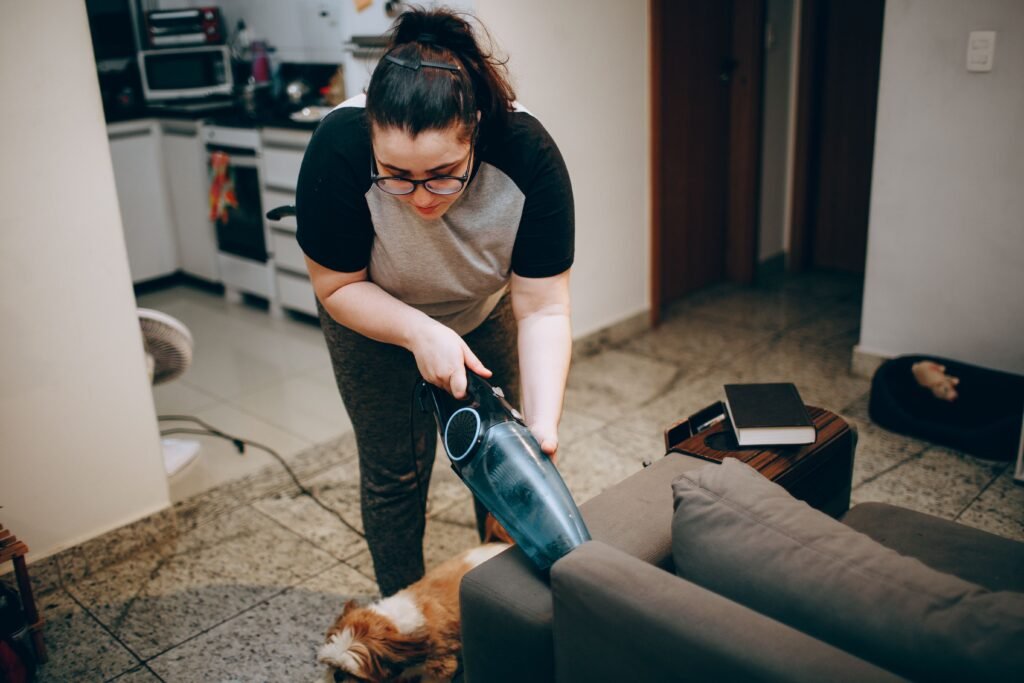
Before using any tool, moisture or cleaning product, check the sofa manufacturer’s care label. A technique that works perfectly on one material may damage another.
Microfiber
Start with vacuuming or a gentle rubber pet-hair tool. Microfiber’s dense construction can make loose fur relatively straightforward to remove compared with open weaves, but follow the specific cleaning code before adding moisture.
Leather and Faux Leather
Hair usually stays on the surface rather than becoming embedded. Use a soft cloth or appropriate vacuum attachment and avoid abrasive tools that could scratch the finish. Follow the manufacturer’s instructions for cleaners and conditioners.
Velvet
Treat velvet more carefully. Start with a suitable upholstery attachment or soft fabric-safe brush and work with the direction of the pile. Avoid aggressive scraping, even if individual hairs are stubborn.
Woven Fabric
Hair can become lodged between the fibers of woven upholstery. A rubber tool may help loosen the fur before vacuuming but use light pressure and test the tool on a hidden area first. The looser or more textured the weave, the more careful you should be about snagging it.
Removable Couch Covers
Remove as much loose hair as possible before putting heavily fur-covered covers into the washing machine. Vacuuming or using a lint-removal tool first reduces the amount of hair transferred into the laundry.
Then wash and dry according to the manufacturer’s care label.
How to Remove Deeply Embedded Dog Hair From a Couch
If vacuuming alone isn’t working, stop repeatedly passing the vacuum over the same spot. The hair is probably caught within the fabric rather than lying freely on top. Work one small section at a time. Use a slightly damp rubber glove or a fabric-safe rubber tool to loosen the hair and gather it into visible clumps. Once the fibers have released it, vacuum the area with an upholstery attachment.
Pay particular attention to seams and the gap between seat and back cushions because these areas often contain far more hair than the visible surface. For delicate upholstery, don’t increase pressure simply because the fur is stubborn. Protecting the fabric is more important than removing every last hair in one session.
Common Mistakes When Removing Dog Hair From a Couch
One of the biggest mistakes is scrubbing harder when the hair won’t move. Aggressive friction can damage delicate upholstery or push fur deeper into some textures. Loosen the hair gradually instead.
Another is ignoring the couch care label. Water, upholstery cleaners and rubber tools aren’t automatically appropriate for every fabric. Test unfamiliar techniques on a hidden section first. Don’t clean only the visible seat cushions either. Check seams, the underside of removable cushions, the back and the armrests. These areas can hold a surprising amount of hair.
It’s also easy to focus entirely on removal while ignoring prevention. If a heavy shedder lies on an uncovered sofa every day, you’ll recreate the same cleaning job continuously. Regular brushing and a washable protective layer usually reduce the workload more effectively than adding another cleaning tool.
When you do use cleaning products around the couch, follow the manufacturer’s directions. EPA’s Safer Choice program can also help identify products made with ingredients that meet its safer-chemical criteria for people, pets and the environment. See EPA Safer Choice. Finally, don’t wait until the couch is completely covered. Light, regular maintenance is far easier than removing compacted fur later.
Frequently Asked Questions
What is the easiest way to get dog hair off a couch?
For light surface hair, start with a lint roller. If the hair clings to the upholstery, a slightly damp rubber glove can gather it into clumps before vacuuming. The best method depends on the fabric and how deeply the hair has become embedded.
How can I keep dog hair off my couch without keeping my dog off it?
Cover your dog’s favorite section with a washable throw or fitted couch cover and clean that layer regularly. Combine it with regular brushing so less loose fur reaches the furniture in the first place.
How do I remove deeply embedded dog hair from a couch?
Loosen the hair first with a fabric-safe rubber or silicone tool, then vacuum it with an upholstery attachment. Work in small sections and pay particular attention to seams and cushion edges.
Why doesn’t my vacuum remove all the dog hair?
Friction, static and upholstery texture can hold individual hairs inside the fabric. A vacuum works better once those hairs have been loosened with a rubber glove or appropriate pet-hair tool.
What couch fabric is easiest to keep free of dog hair?
Tightly woven and relatively smooth materials are generally easier to maintain because hair has fewer gaps in which to become trapped.
How often should I remove dog hair from my couch?
There isn’t one schedule for every home. If your dog sheds heavily or sleeps on the sofa every day, quick maintenance several times a week can stop buildup. A deeper vacuum can then be part of your normal household cleaning routine.
Can I use a rubber glove to remove dog hair from my couch?
Often, yes. A slightly damp rubber glove can create enough friction to collect fur from many fabric couches. Check the manufacturer’s care instructions first, particularly before using moisture on delicate or unfamiliar upholstery.
How can I stop dog hair building up in couch seams?
Vacuum seams regularly with a crevice attachment and protect your dog’s usual resting area with a washable throw. Removing loose surface fur before it migrates into the seams is much easier than extracting compacted hair later.
Final Thoughts
Learning how to keep dog hair off couch upholstery is less about finding one miracle tool and more about controlling fur before it becomes embedded. Start with regular brushing, protect your dog’s favorite resting spot with a washable throw or cover, and remove light surface hair before it accumulates. A lint roller is useful for quick maintenance, while a rubber glove or pet-hair brush followed by vacuuming works better for stubborn fur.
The couch fabric makes a difference too. Smooth, tightly constructed upholstery is generally easier to maintain than loose, deeply textured material, but the care label should always guide how you clean it. You probably won’t eliminate every dog hair from the furniture, and you don’t need to. A simple routine of grooming, protection and targeted cleaning can keep the couch manageable without turning pet-hair removal into a daily project.